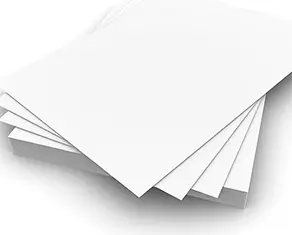
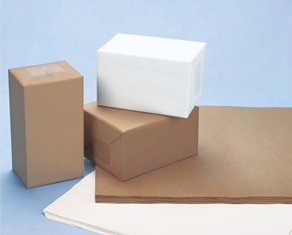
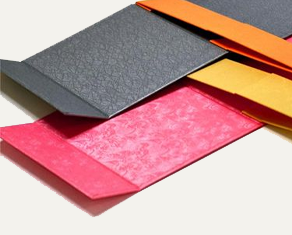
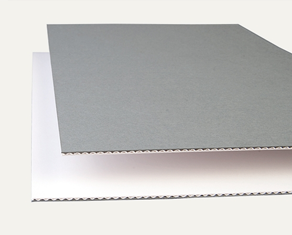
At The Customize Boxes, you can choose from the following materials that support die-cutting technology and customizability for all types of soap boxes:
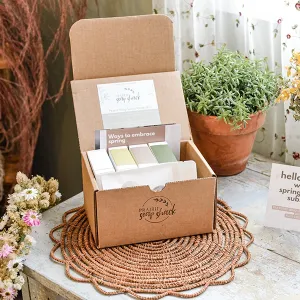
Cardboard is one of the most reliable materials for die-cut soap boxes due to its flexibility and sturdy surface. You can use cardboard soap boxes with die cut to ship, store, and display your fragrant soaps. The eco-friendly nature of cardboard boxes helps you build an ethical brand image. For a conventional folding structure, Tuck End Soap Boxes can also be considered for soap packaging.
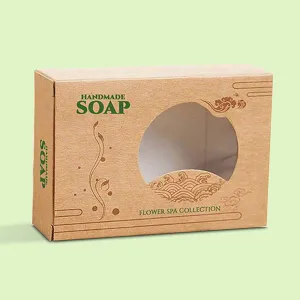
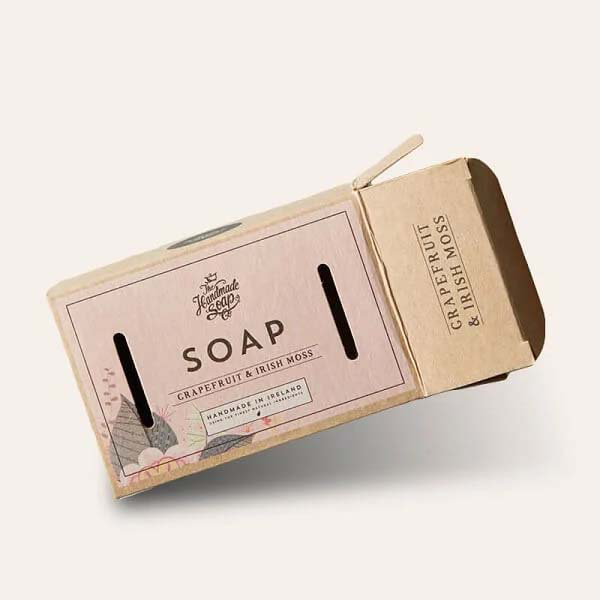
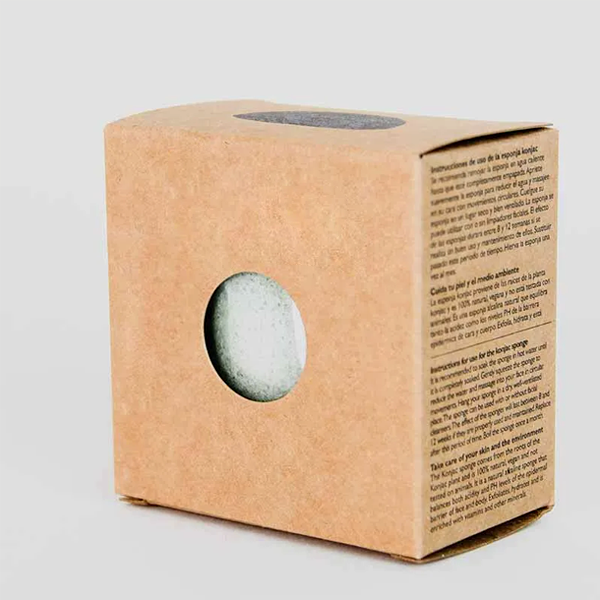
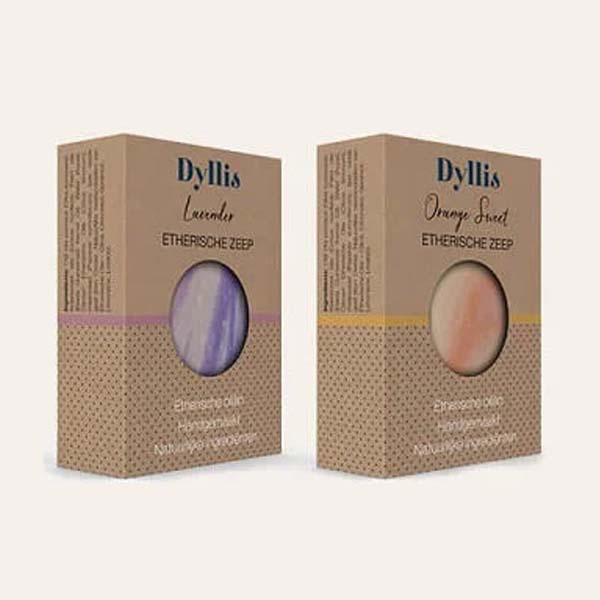
Kraft paper is the most eco-friendly material, which helps you build an eco-conscious brand image. Get kraft soap boxes customized with custom-shaped window styles to attract and retain customers. You can also consider kraft soap packaging to add a vintage touch to your product packaging.
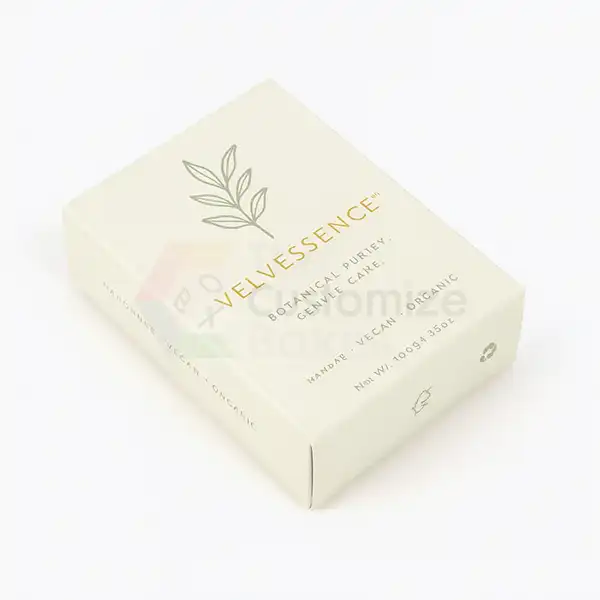
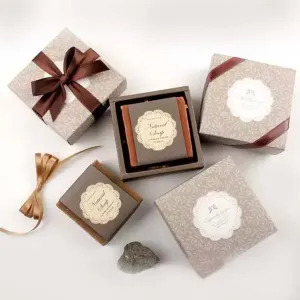
Pack your high-value soaps in luxury rigid soap boxes. They are made from rigid stock, which is best known for its luxurious appeal. Rigid soap boxes can be recycled and reused. They can also be used as soap gift boxes. Brands can also explore Custom Soap Boxes when comparing different custom soap packaging formats.
Build an emotional connection between your brand and customers with attention-to-detail customization. At The Customize Boxes, you get everything, whether you want custom-shaped or square soap boxes. Square Soap Boxes can be selected when a traditional geometric shape is preferred, while die-cutting provides greater freedom for distinctive outer shapes. Understand the basic elements of great soap packaging when customizing them. You can get the following customization perks:
You can uplift your soap brand with perfectly customized soap box die-cuts. The eco-friendly and sturdy materials ensure soap protection while building an ethical brand image.
Aesthetically appealing designs attract customers and persuade them to buy your soaps. For a simpler format designed around individual soap bars, Soap Bar Boxes can also be considered.
Die cutting can change the outside shape of a soap box or create an opening within an otherwise standard panel. The two primary approaches are an outline/silhouette cut and an aperture/window cut. A combined design can use both methods.
|
Type
|
What the die does
|
Why you’d choose it
|
Structural note
|
|
OUTLINE / SILHOUETTE CUT
|
The die shapes the box’s own perimeter, producing hexagons, scalloped or curved edges, or a bespoke shape.
|
Chosen when the box itself should read as distinctive on a shelf of rectangles.
|
The outline interacts with fold lines and the glue flap, so shape freedom is highest on the panels furthest from the seam.
|
|
APERTURE / WINDOW CUT
|
The die removes an opening from an otherwise standard box, in any shape from a plain rectangle to a logo silhouette.
|
Chosen when the SOAP is the thing to show.
|
An aperture removes the board, so its size and placement are a strength question.
|
|
COMBINED
|
Both in one box: a shaped outline with a shaped window.
|
Useful when the box needs both a distinctive perimeter and product visibility.
|
The two cuts have to be planned together so the aperture does not land too near a shaped edge.
|
An outline or silhouette cut is useful when the box itself needs to stand apart from rectangular competitors. An aperture cut is more suitable when the soap should remain visible through the packaging. For the full open-vs-film and scent decision, refer to soap boxes with windows rather than rebuilding that information here.
What Shapes Actually Work at Soap-Box Scale
A soap carton is a small box, typically only a few inches on its longest side, and that scale limits shape freedom in ways a larger box does not face. Four things govern what is achievable:
Minimum Bend Radius
The board can only curve so tightly before it creases or cracks along a fold. Tight interior curves and sharp reflex angles that render fine on screen can crack at the fold on a real 14–18pt carton.
Glue Flap Survival
Every folding carton needs a seam flap with enough surface to bond. Cut too much of the outline away near the seam, and the flap loses the area it needs — which is why shape freedom is greatest on the face panels and most limited along the glue edge.
Tab and Lock Strength
Tuck tabs and dust flaps are small on a soap box to begin with; shaping them decoratively can leave too little material to hold the box closed after a few openings.
Aperture-to-Edge Margin
A window needs a band of board between its edge and the box’s edge or fold; on a small panel, that margin eats the available area fast, which is why very large windows suit larger cartons better.
Material yield is another consideration. Complex shapes can use more board than conventional rectangular layouts, so press sheet nesting should be planned carefully to make efficient use of the material.
Why No Die Charges Change How You Should Design
A custom die is a physical cutting tool made for one shape, and it is normally a separate line item that pushes brands toward stock shapes — particularly at the low quantities most soap makers order.
With no die and plate charges, a custom silhouette costs the same tooling as a rectangle, which changes the calculus: a small soap brand can justify a distinctive shape at 100 units, where it would usually only make sense at thousands.
This makes custom die-cut soap boxes a practical choice for smaller brands that want distinctive packaging without committing to very high quantities.
Materials & How a Die-Cut Soap Box Is Made
The production process starts with a dieline that defines the box panels, fold lines, glue flap, tabs, and any required aperture. A steel-rule die is then prepared according to the approved dieline.
The steel-rule die contains cutting and creasing rules, allowing the board to be cut and creased in one pass. The outline/silhouette cut creates the external shape, while an aperture cut removes the selected area from the panel.
The cut-and-crease in one pass helps establish both the required cut lines and folding points. Press sheet nesting is then considered to improve material yield and arrange multiple box layouts efficiently on the production sheet.
Before full production, a physical sample can be requested to review the shape, dimensions, folds, tabs, aperture, and overall structure. A free dieline is also available to establish the required structural specifications before production.
Finishes & Wholesale
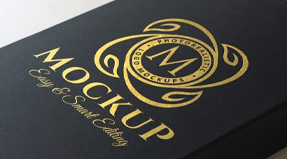
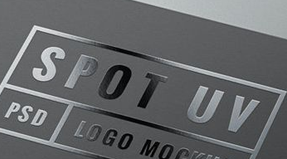
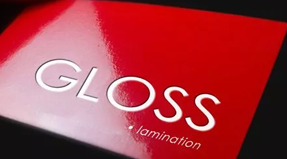
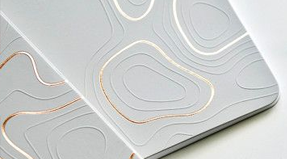
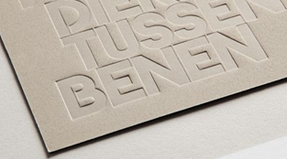
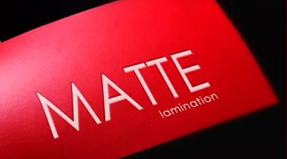
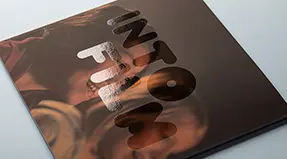
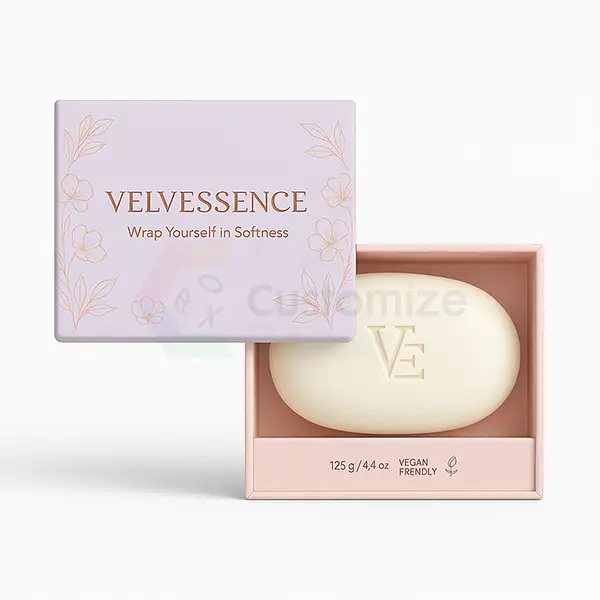
Die-cut soap boxes can be customised with printed graphics, logos, colours, patterns, and other branding elements. Printed die-cut soap boxes can also feature premium finishes such as matte, gloss, foil, embossing, debossing, and spot UV.
These finishing options can enhance the visual appeal of custom die-cut soap boxes while complementing their distinctive shapes and windows.
Die-cut soap box wholesale orders are available from 100 units. The service includes no die & plate charges, a free dieline, a free 3D mockup, and design support. Standard production takes 10–12 business days after the required design and structural details have been approved.
Trust The Customize Boxes!
Stop searching if you are looking for “die-cut soap boxes for sale”. Partner with The Customize Boxes and experience the most persuasive packaging ever. Craft custom die-cut soap boxes with window with our complimentary die and plate services. Save big with free shipping and wholesale custom soap boxes. You can also get free design support and a free 3d mockup to visualize your product packaging before placing an order.
If you want a lightweight packaging format for an individual soap bar, Custom Soap Sleeves can be considered.
Connect with Us!
Let our remarkable die-cut soap box packaging add value to your business! All you need is to contact us at (972)-590-8867 or sales@thecustomizeboxes.com, and we will craft amazing packaging for you!
 QUICK FREE QUOTE
 OFFSET, SCREEN & DIGITAL PRINTING
 FREE GRAPHIC DESIGNING
 FREE SHIPPING
 NO DIE & PLATE CHARGES
 QUICK TURNAROUND TIME
 MOQ 100 BOXES
 CUSTOM SIZE & STYLE