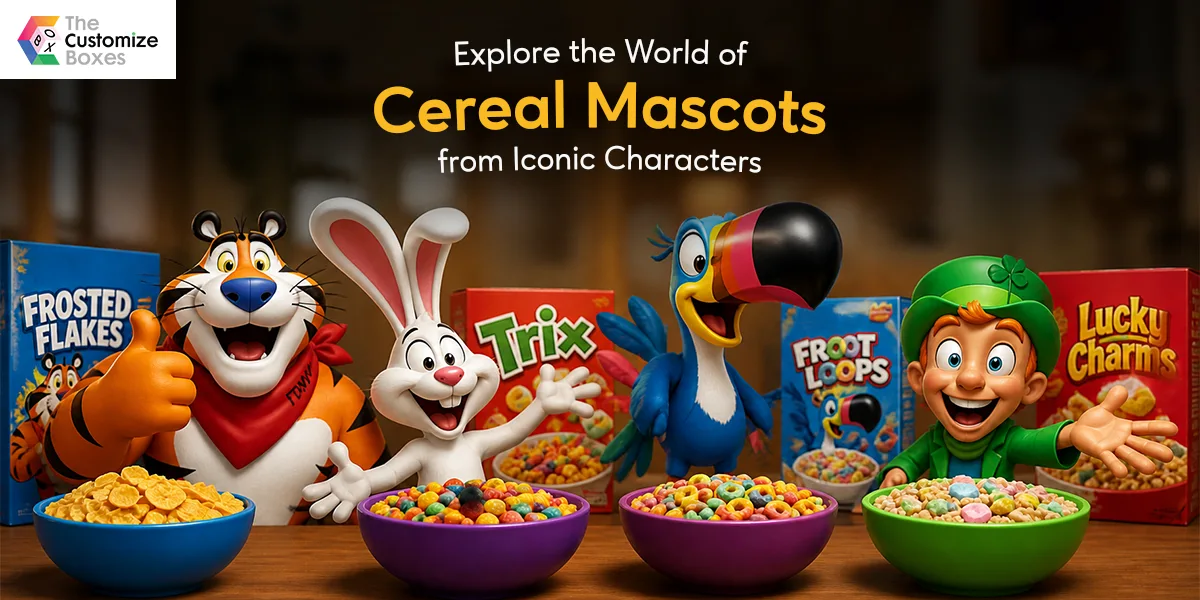
There was a time when breakfast was never just breakfast. Before the first spoonful, before the milk touched the bowl, there was always a face waiting on the box. A tiger roaring with confidence into the morning, a rabbit forever chasing what he could never have. And a colorful bird leading children toward fruity adventures.
Breakfast cereal mascots did something extraordinary: they transformed an ordinary meal into a ritual, a story, and often, a childhood memory that lasted for decades.
For many people, these characters are remembered more vividly than the cereal itself. Long after the taste fades, the personalities remain. That is the true power of branding wrapped in nostalgia. Let’s explore the world of cereal mascots from iconic characters:
When Breakfast Became a Story
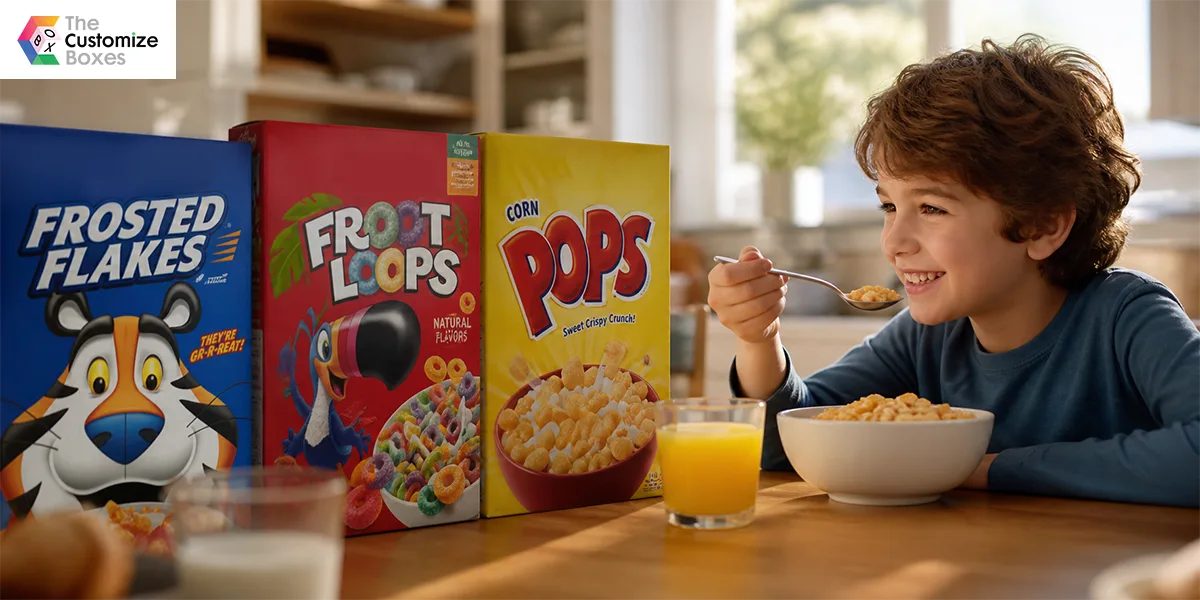
The genius of cereal mascots lies in their ability to make a product feel alive. A box of cereal is, at its core, a commodity. It lies on a shelf beside dozens of nearly identical options. Yet somehow, some brands became unforgettable.
Why? Because they gave the product a personality. Children didn’t ask for frosted cornflakes. They asked for the cereal with the tiger. They didn’t crave fruit-flavored loops. They wanted the one with the toucan.
These characters gave meaning to a routine morning act. Breakfast became playful, emotional, and imaginative. What brands understood early on was simple: people remember stories better than products.
The Birth of Cereal Mascots
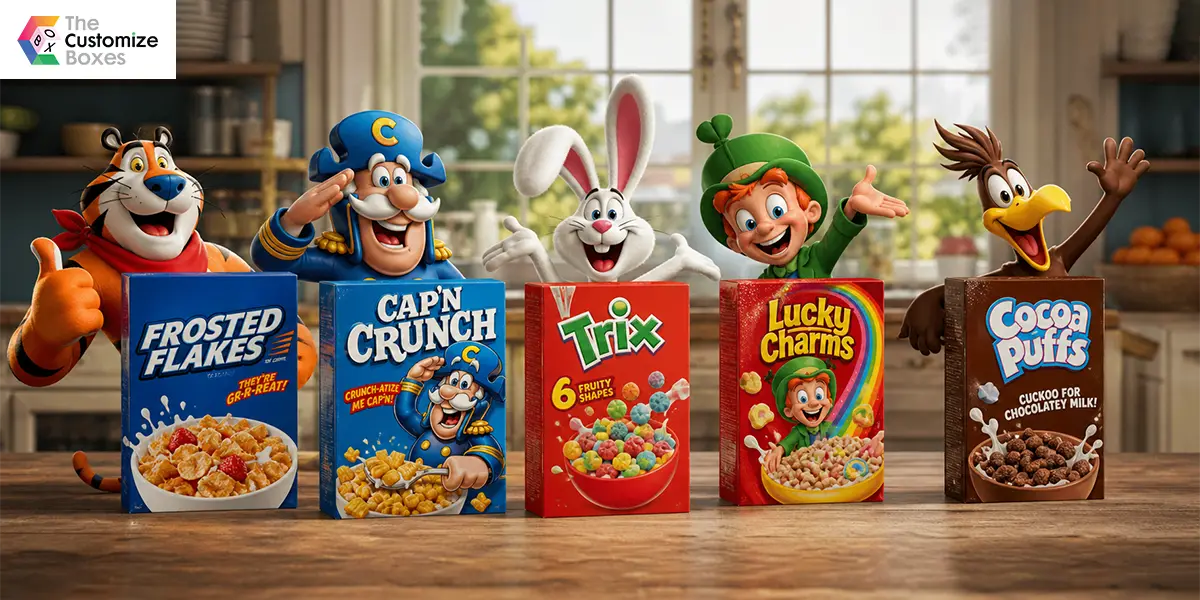
Cereal mascots began rising in popularity as brands searched for ways to stand out in crowded grocery aisles. As television advertising grew, animated characters became the perfect sales ambassadors. They could speak, sing, joke, and repeat catchphrases that lodged themselves in people’s minds.
Suddenly, cereal wasn’t being marketed through ingredients alone. It was sold through emotion. The mascot became the voice of the brand. From the 1950s onward, these characters evolved into household icons, appearing on TV commercials, packaging, posters, collectibles, and later digital campaigns.
Why Mascots Matter in Branding?
A mascot is never just a decoration. It is a psychological shortcut. The moment someone sees a familiar character, recognition happens instantly. That recognition creates trust. Trust creates preference. And preference drives purchase.
This is why mascots remain one of the most powerful branding tools in consumer marketing. They humanize products, make brands emotionally sticky, and help companies move beyond features and into feelings.
For children, mascots spark curiosity and excitement while triggering nostalgia for adults. That combination is marketing gold.
The Icons Who Defined Generations
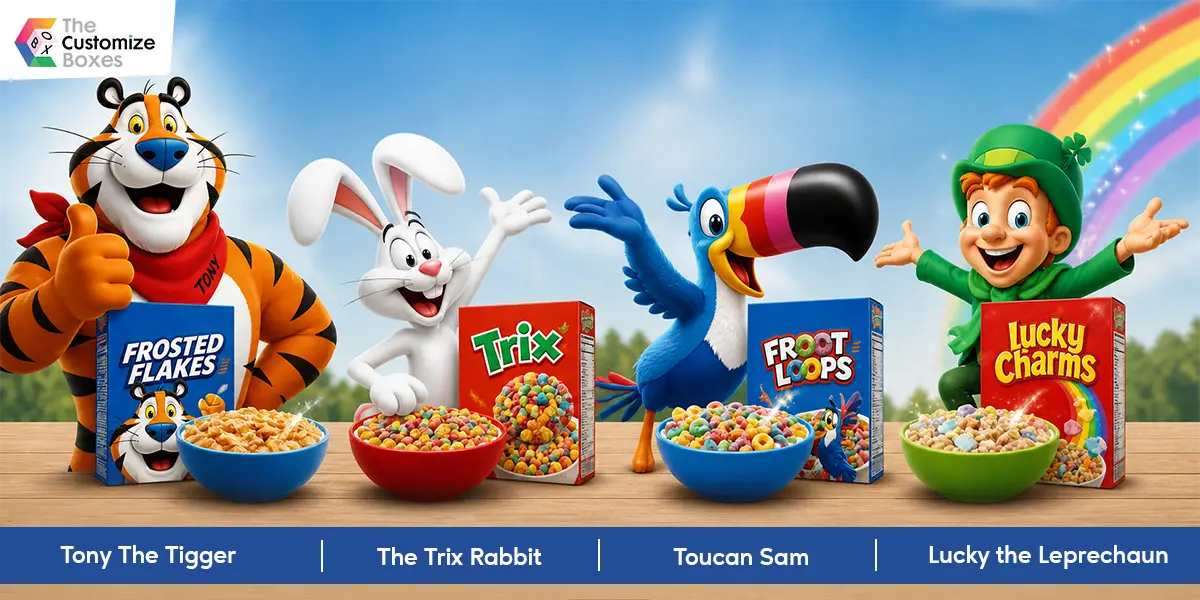
Some cereal mascots became larger than the brands themselves.
-
Tony The Tigger
Few mascots are as legendary as “Tony”. With his powerful voice and signature line, “They’re gr-r-reat!”, Tony symbolized confidence, energy, and optimism. He didn’t just sell cereal. He sold the feeling of starting the day strong.
-
The Trix Rabbit
The “Trix Rabbit” brought humor and endless pursuit. His constant attempts to get the cereal and repeated failure turned him into a lovable underdog. People rooted for him. That emotional engagement kept the brand memorable for generations.
-
Toucan Sam
Bright, adventurous, and instantly recognizable, “Toucan Sam” was all about sensory storytelling. His famous line, “Follow your nose,” turned cereal into an experience. Smell became part of the brand identity. That’s brilliant positioning.
-
Lucky the Leprechaun
Lucky introduced magic into breakfast. With marshmallows, rainbows, and a playful personality, he appealed directly to imagination and wonder. He wasn’t selling cereal. He was selling enchantment.
The Power of Catchphrases
The most iconic mascots were rarely silent. Their phrases became part of the culture. For example:
- “They’re gr-r-reat!”
- “Follow your nose!”
- “Silly rabbit, Trix are for kids!”
These aren’t just slogans. They became verbal triggers for instant brand recall. The best catchphrases do two things that strengthen your character’s personality while creating instant recognition. This is why even decades later, people still remember them word for word.
More Than Marketing: A Cultural Legacy
Cereal mascots moved beyond supermarket shelves. They entered pop culture, which appeared in collectibles, cartoons, memes, merchandise, and nostalgic online discussions. Some vintage cereal boxes featuring classic mascots are now collector’s items.
Others have been immortalized through figurines and retro brand campaigns. This proves something important: Great branding doesn’t disappear when the ad campaign ends. It becomes a memory. And memory becomes loyalty.
Why Some Mascots Lasted While Others Faded?
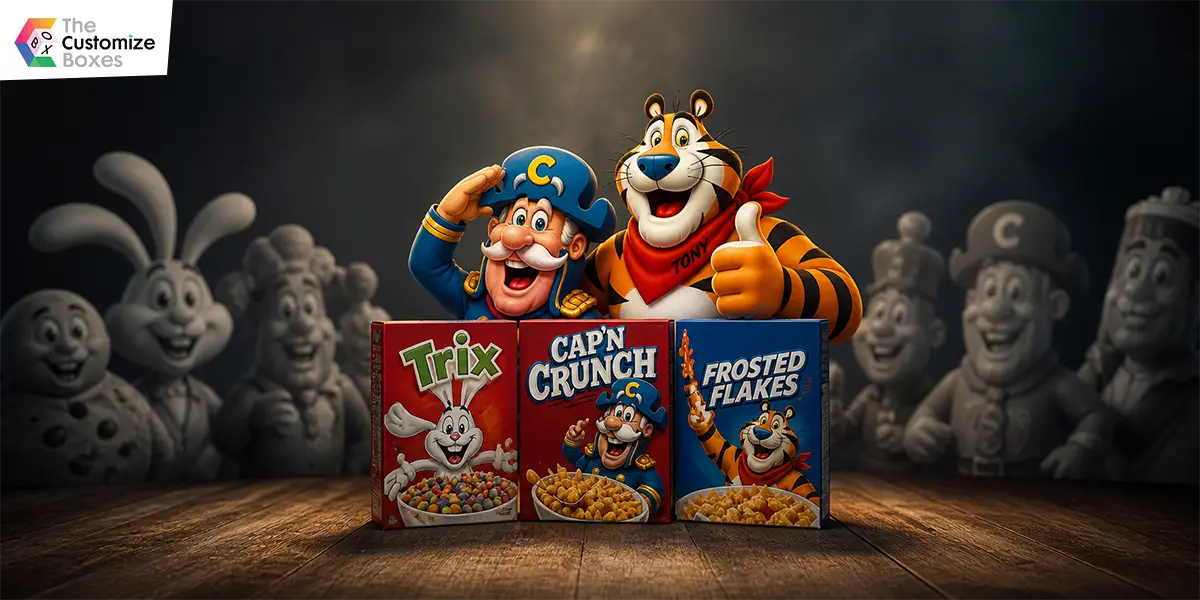
Not every mascot survived. Some disappeared with changing tastes, declining cereal popularity, or brand repositioning. So why did some last while others vanished? The answer is emotional resonance.
Characters like Tony the Tiger or Cap’n Crunch weren’t just mascots. They had consistent personalities. They evolved with time without losing their essence. Brands that constantly reinvented without preserving familiarity often lost that connection. Consistency is what turns a character into an icon.
The Future of Cereal Mascots
Today, branding has changed from television to digital spaces. But mascots still matter. Now they appear in social media campaigns, animated ads, interactive games, AR experiences, and collectible collaborations.
The medium changed, but the psychology did not. People still connect with characters faster than with products. In an era where attention spans are shrinking, mascots remain powerful because they communicate identity in seconds.
Wrap Up!
Breakfast cereal mascots are far more than nostalgic cartoons. They are proof that branding works best when it feels human. These characters gave products emotion, personality, and cultural permanence.
They made mornings brighter, brands unforgettable. And perhaps most importantly, they showed marketers a timeless truth: People may forget what they bought. But they rarely forget how a brand made them feel.
That is why, even years later, the world of cereal mascots still lives in memory, one breakfast bowl at a time. Contact The Customize Boxes to craft cereal packaging boxes with free design support!
Top 10 Cereal Mascots - WhiteCloudsTony the Tiger, the mascot for Kellogg’s Frosted Flakes, is widely considered the most famous cereal mascot, recognized for his iconic "They're Gr-reat!" catchphrase.
While fame is subjective, the Phillie Phanatic is widely regarded by sports historians, marketing experts, and fans as the most famous, influential, and entertaining professional sports mascot of all time.
The world of cereal mascots features iconic, anthropomorphic characters designed to market breakfast cereals, particularly to children, through recognizable personalities and catchphrases.