
In this guide
What a privilege to receive a letter in your mailbox, and what a tremendous privilege it is to have paper! Not a single technology can replace it! You can grasp the importance of paper from the written letter, which carries emotions and works as the primary medium for both personal and business communication.
Sure, technology is making everything fast and furious, but ever wondered what the world would be like without paper? From record-keeping, art, craft, creative expressions, retail boxes, and other multiple uses of paper we aren’t even familiar with, but are somehow using paper.
Move on to learn about paper, its significance, and different types of paper.
What is Paper?
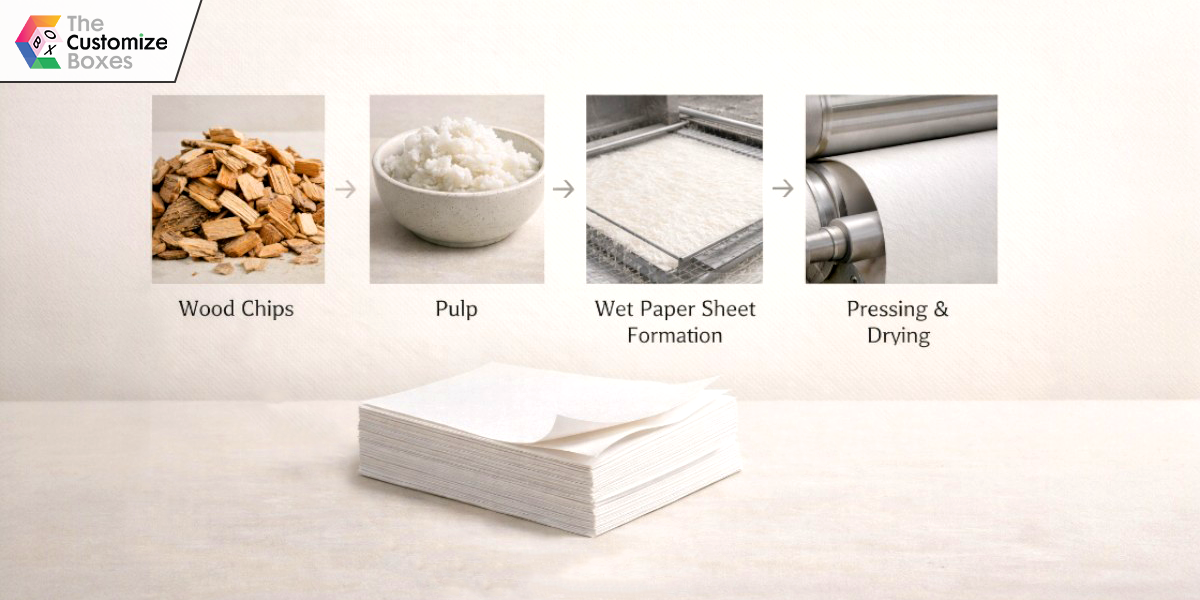
Paper is a thin, flat material primarily made by turning raw material, including wood, recycled paper, and other fibres, into soupy pulp with water. This pulp is drained by pressing out more water on a screen to form a matted sheet. Finally, drying and smoothing them with a heater roller results in familiar thin and flexible paper. This process turns wood chips into cellulose fibres that interlock, forming a strong sheet, with added chemicals that make them differ in weight, texture, and colour. Also, the recyclable nature of paper makes paper a better option than plastic.
Printing Paper
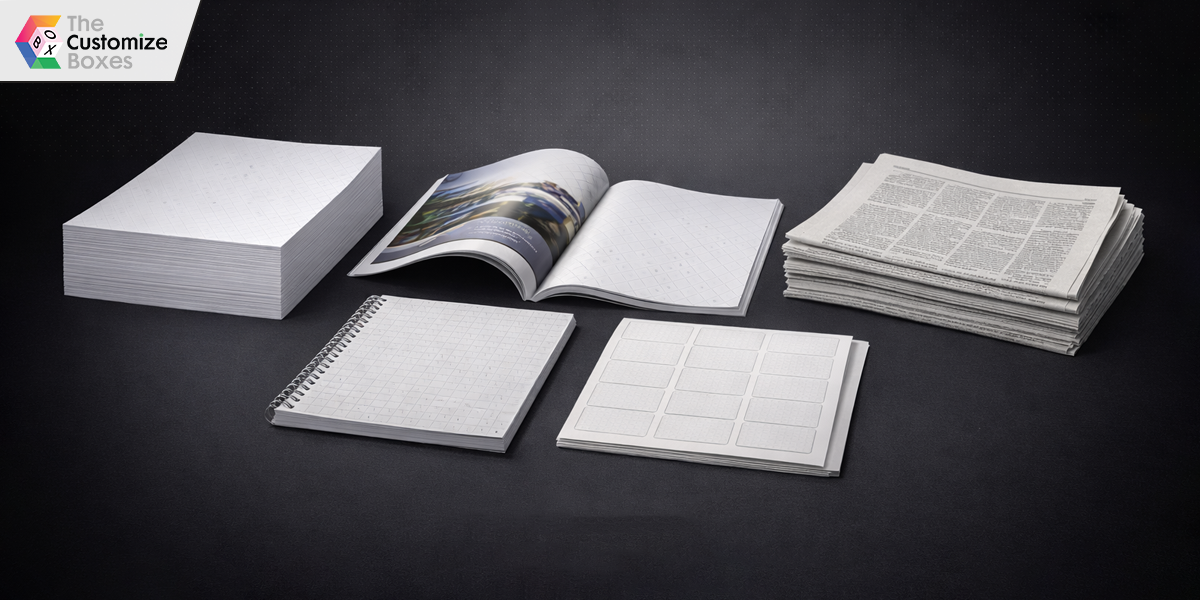
People use printing paper for a variety of tasks, in which tangible, credible, and assessable communication includes those that range from newsprint paper, magazine, catalogue paper, notebook, and label paper. Printing paper is an essential component in anything that is printed for education, marketing, and entertainment.
Bond Paper
Bond paper is made from rag pulp or textile, known for its tangible, ink-resistant, stiffness, and longevity, commonly used for letterheads. Resumes, reports, and forms. Bond paper is stronger than other types of paper.
Parchament Paper
You will commonly see this paper in baking lines, cooking, due to its food-safe, smooth, and non-sticky nature. The smoothness and non-stickiness come from the manufacturing process, which includes the use of sulfuric acid or zinc chloride. Unlike wax paper, which melts in heat, parchment paper sheets stay in their usual shape after being in heat.
Card Stock
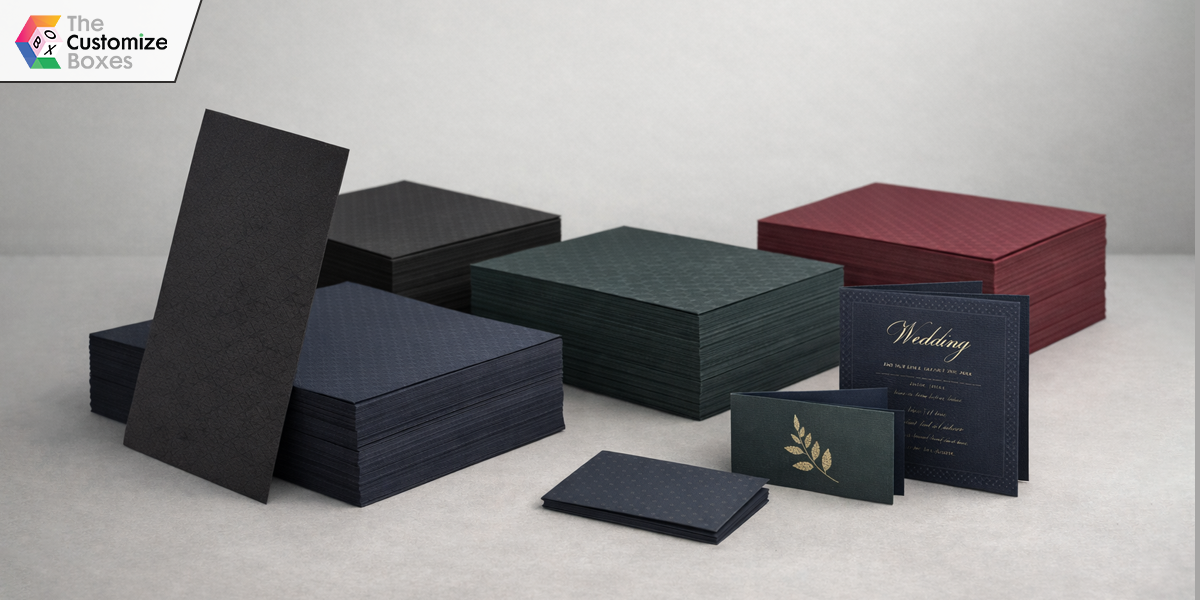
Cardstock is a thick, durable, and sturdy paper than regular paper. Commonly used in the printing of business cards, wedding cards, scrapbooking, and greeting cards. It comes in various weights (like 65 lb, 80 lb, 110 lb), colours, and textures, offering a premium feel for crafts and professional printing. Learn What Card Stock Is in Detail for your next packaging.
Matte Paper
Matte paper has a non-reflective, smooth, or textured surface, diffusing light for a soft, glare-free finish. Take black matte boxes as an example. These features make it ideal for photos with dark tones, B&W prints, art books, or documents where fingerprints and smudges are a concern, unlike glossy paper, which shines but shows marks easily.
Glossy Paper
Gloss paper is a coated paper with a shiny, smooth surface that makes colours vibrant and images pop by preventing ink from soaking in, making it ideal for photos, brochures, and marketing materials, though its high reflectivity can cause glare, making it harder to read text.
Wallpaper
Wallpaper is used to decorate the interior design of a house, office, restaurant, and hotel. made from paper or other materials (like vinyl, fabric) printed with patterns or textures, applied with paste to beautify interiors as an alternative to paint.
Toilet Paper
Toilet paper is used after using the restroom to maintain personal hygiene. Made from virgin pulp, recycled pulp, or a blend, the hardwood-to-softwood ratio varies depending on required softness and strength.
Kraft Paper
Kraft paper is made from the wood pulping process, which makes it 100% biodegradable. Commonly used in almost all types of packaging, from goods, retail boxes to shipping boxes, due to its sturdy, durable, and rustic appeal.
Newsprint
This is a thin and lightweight paper used for newspapers and other publications. Newsprint paper stock is a non-durable paper made from pulverised wood pulp.
Wrapping Paper
Wrapping paper, also known as gift paper, is used to embellish gifts for birthdays or holidays. The paper features ornamental patterns printed using flexography, rotogravure, or offset printing techniques. These papers are also non-durable; however, they are completely disposable.
Sand Paper
Sandpaper is coated with abrasive grain materials like alumina oxide on the sides. These papers are used for smoothing, shaping, and removing material from surfaces like wood, metal, or walls before finalising.
Watercolor Paper
As the name suggests, this paper is especially crafted for watercolour printing, made from a blend of cotton that makes it durable enough to handle watercolour paintings.
Tracing Paper
Tracing paper is ideally used for painting, handcrafting, art, and overlays. This paper conveys super thin, translucent, and low-capacity features that offer a smooth and lightweight texture to trace and transfer art for high-end designs.
Selecting the Right Paper
Before selecting any paper for your needs, it is important to acknowledge the thickness, durability, colour, and texture of the paper to make informed decisions. Whether you need high gloss finish paper or parchment paper thin lining, it’s important to consider the nature of your product and food items. At The Customise Boxes, we understand the need for picking out the right material, which is why we provide all types of paper, even if you want to customise unique paper like laminated paper. Reach out to us and let us help you out in this challenging task.
Frequently asked questions
What Is the Best Type of Paper for Printing?
The best printing paper is typically high-quality, acid-free, and specifically designed for the intended printer type (inkjet or laser). This ensures: optimal ink absorption, sharp image reproduction, and longevity of printed documents, maintaining clarity and vibrancy over time.
How Does the Type of Paper Impact the Quality of Printing?
The type of paper has a big impact on printing quality. High-grade, specifically engineered printing paper guarantees maximum absorption of ink, avoiding smearing and preserving crisp details. To achieve bright, high-resolution prints, factors including compatibility, weight, and finish are important.
What is the difference between matte and glossy paper?
Matte paper has a non-reflective surface and is ideal for printing photos or artwork that requires a softer finish. Glossy paper, on the other hand, has a shiny and reflective surface that is perfect for printing high-resolution images or graphics.
What is vellum paper used for?
Vellum paper is a translucent paper that is often used for creating overlays, tracing designs, or printing elegant invitations and announcements.