Give Customers Proof of Pure Quality with Heat Seal Mylar Bags
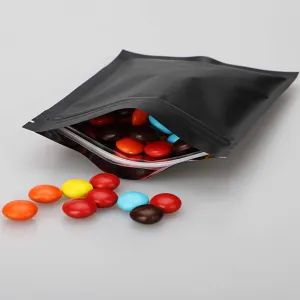
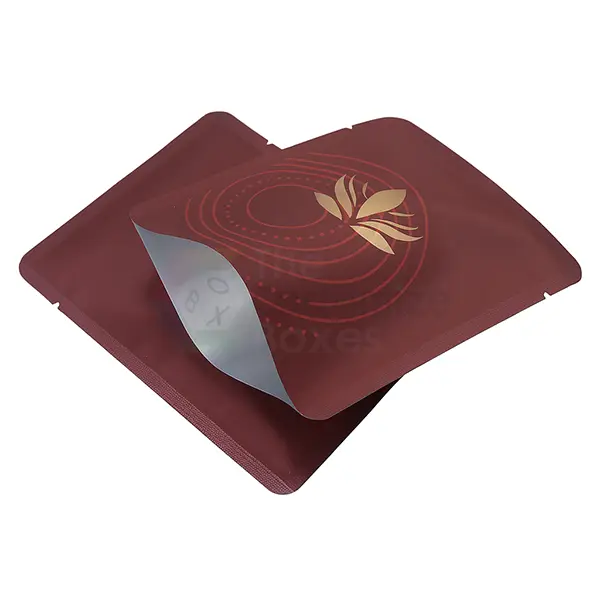
Keep your goods as fresh as the day they were packed with heat seal Mylar bags. Trap original flavors and scents inside, which is a big plus for coffee, spices, and specialty snacks. A crisp heat seal shows buyers the package hasn't been opened or tampered with since production.
Give your mylar bags a high-end, polished finish compared to basic zip-locks alone. Made from sturdy materials, they prevent punctures and tears during shipping, ensuring your items arrive looking pristine. Market your brand as environmentally conscious by crafting custom heat seal bags from reusable or recyclable materials.
Improve the Shelf Life of Products
Pack different items such as baby food, dry fruits, nuts, edibles, and more food items in heat sealable mylar bags to enhance their shelf life. Keep the products safe from bacteria, oxygen, moisture, water, and other pathogens by choosing heat-sealing bags. Use oxygen absorbers inside these bags to prevent rotting and spoilage before they reach customers.
How Does Heat Sealing Protect Your Products?
Heat-sealing a mylar bag works by melting only the inner plastic lining so it fuses into one solid piece. The innermost side of the bag is made of polyethylene (PE). When you apply heat, this layer softens and liquefies.
Pressing the two sides together forces the liquid polyethylene layers to blend into each other. Keeping the pressure on while the material cools lets the polymers lock back into place. They become one continuous, airtight layer.
Why Outer Layer Stays Safe?
The outer polyester (PET) and middle aluminum barrier layers have a much higher melting point than the inner PE lining. Beginner manufacturers often turn the heat up too high because they think it makes a stronger bond. This only warps or melts the outer print and film without improving the actual seal underneath.
|
Variable
|
What It Does
|
What Goes Wrong
|
|
Heat (Temperature)
|
Melts and liquefies the inner polyethylene sealant layer so the two sides can fuse.
|
Too low: The layers don't melt, resulting in no seal.
Too high: The outer barrier film distorts, melts, or burns.
|
|
Pressure
|
Forces the two liquefied polyethylene layers to blend and interlock.
|
Too light: Incomplete contact, leading to hidden pinholes or micro-leaks.
Too heavy: Squeezes the liquid plastic completely out of the seam.
|
|
Time (Dwell / Cooling)
|
Controls how long heat is applied, and how long the seam is held together to solidify.
|
Too short: The plastic hasn't fully cooled and pulls apart easily under tension.
Too long: Melts right through the bag or wastes electricity.
|
Get Right Packaging Materials
Give your mylar bags a powerful defense system for long-term storage by choosing premium materials. Let these bags protect sensitive items from air, light, and moisture that spoil your perishable items with the following materials:
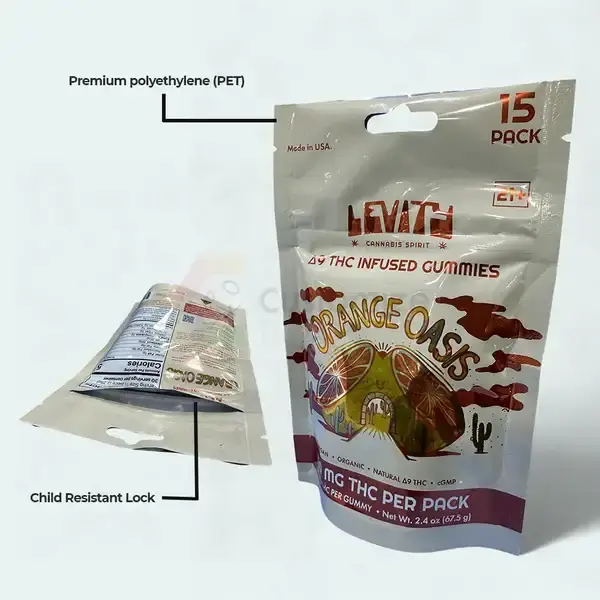
- Polyester Outer Layer: Acts as tough armor against punctures, tears, and external friction, just like child-resistant Mylar bags.
- Aluminum Foil Middle Layer: Forms an absolute fortress that blocks 100% of oxygen, moisture, and ultraviolet (UV) light.
- Polyethylene Inner Layer: Melts at a precise temperature to create a strong, molecular, leak-proof heat seal.
Provide Customers with Various Sizes
Offer different sizes to your customers so they can choose the product as per their needs. If you are packing edibles or dry fruits, offering more than one size will help your customers come back to your brand more often. Use smell-proof Mylar bags in different sizes when packing cannabis. Consider these different sizes for your heat sealed Mylar bags:
- 5” x 10”
- 12” x 6.9”
- 18.5” x 20”
- 22” x 25.5”
- 28” x 18”
- 30” x 20”
Here is a wide variety of sizes and structural formats for Mylar ziplock bags to match everything from small retail samples to bulk long-term food storage, such as:
|
Size Type
|
Dimesnions
|
Formats
|
Best Uses
|
|
Small
|
2.5″ × 3.5″ to 4″ × 6″
|
Flat Pouch
|
Seeds, spices, single-serve powders, or jewelry
|
|
Medium
|
5″ × 8″ to 6″ × 9″
|
Flat or Zip
|
Dried herbs, tea, coffee samples, or snacks
|
|
Large
|
8″ × 12″ (with 2″-4″ gusset)
|
Stand-Up Pouch
|
Coffee beans, pet treats, granola, or baking mixes
|
Create a Consistent Brand Identity in the Market
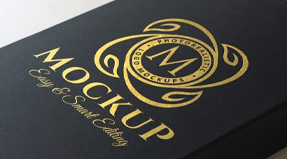
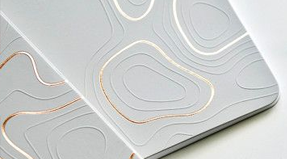
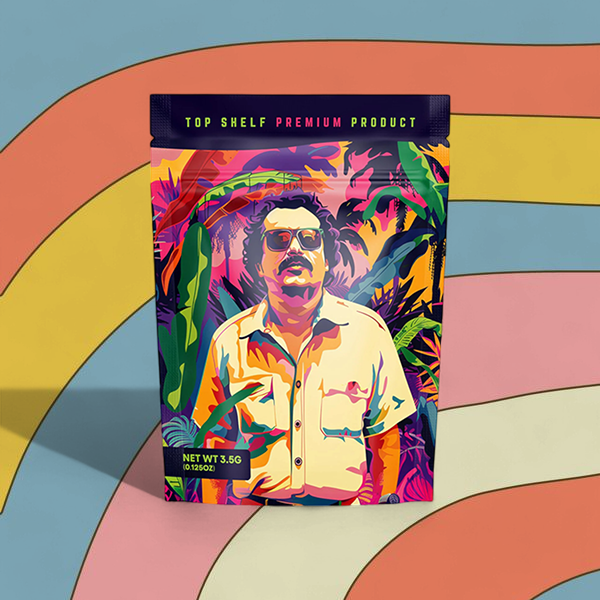
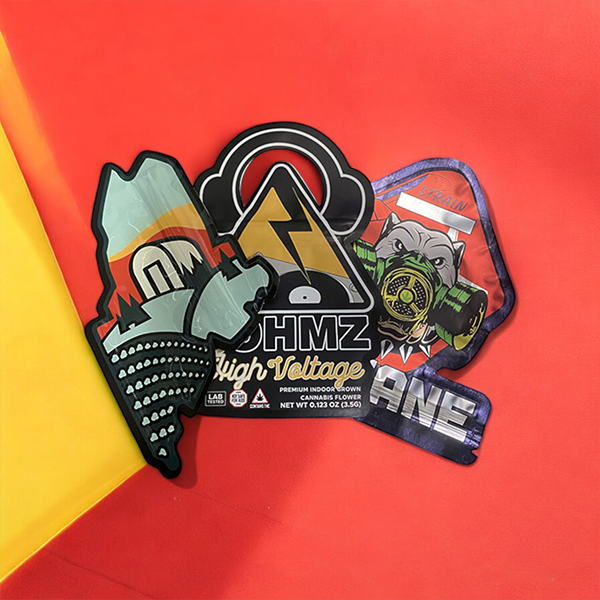
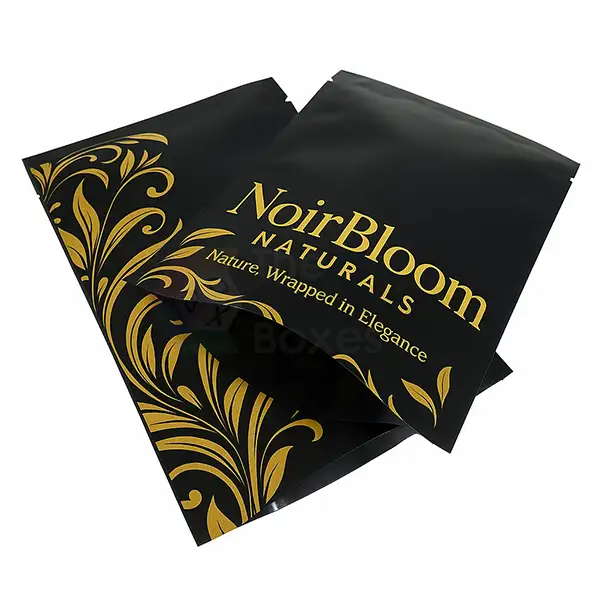
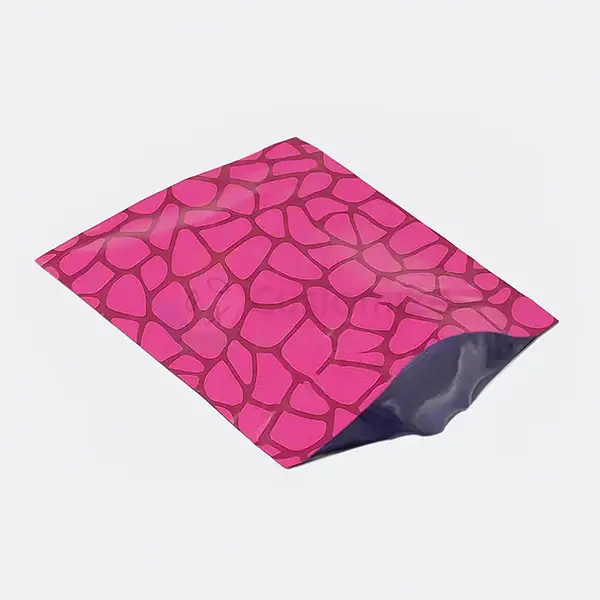
Choose customized colors and designs for your heat sealing Mylar bags to attract more customers. Stand apart from the competition in the market by choosing high-end designs and charming colors. Use color palettes based on your brand’s personality and the product you are packaging inside. Use foiling in different colors for your brand’s logo, such as red, blue, green, gold, and silver. Consult our professionals so you can get expert advice on which designs and colors will enhance the visibility of your Mylar bags.
Choosing the Right Sealer
Selecting the correct sealing equipment for printed heat seal Mylar bags depends heavily on your production volume, material thickness, and whether you need to remove air before sealing. Always remember to choose a sealer with a jaw length longer than your widest bag to ensure a clean, complete seal.
|
Sealer Type
|
How it Works
|
Best For
|
Note
|
|
Impulse Sealer
|
A wire heats only while the jaw is pressed, then cools immediately.
|
Small and mid-volume producers; standard bags.
|
Requires no warm-up time and has a low power draw. This is the most common choice.
|
|
Constant-Heat (Direct Heat) Sealer
|
Jaws stay continuously hot throughout operation.
|
Thicker films and long production runs.
|
Handles high volumes better because heat doesn't need to rebuild each cycle. Requires warm-up and is less forgiving on thin films.
|
|
Vacuum Sealer
|
Removes air from the bag first, then applies the seal.
|
Situations where you want bulk air removed.
|
For dry, long-term food storage, an oxygen absorber does a more effective job than air removal alone.
|
|
Household Iron or Hair Straightener
|
Manual heat application via household appliances.
|
Wide bags and very low production volumes.
|
A genuine DIY method.
|
Get Commercial-Grade Seal Width & Flawless Placement Matter
Proper seal placement needs sufficient headspace to ensure a flat, even bond, while keeping the seal area entirely clean prevents channels that cause leaks and odors. Here are some key factors to consider:
- Seal Width: Wider bands are more forgiving. A narrow seal has less bonded area, meaning a single small flaw can compromise the entire package.
- Placement: Leave enough clear headspace above the fill line. Sealing across smell proof Mylar bags bulging the fill line creates an uneven, weak bond.
- Cleanliness: Keep the seal area free of powder, oil, or stray grains. Contamination prevents layers from bonding, leaving a direct channel for leaks and odors (similar to how contamination allows smells to escape).
Two Ways to Test Seal Integrity
To ensure your seals are secure and contamination-free, use these two standard testing methods for resealable Mylar bags:
- The Squeeze Test: Gently press or squeeze the sealed bag to check for air escape. If the bag deflates or you hear a faint hiss under manual pressure, the polyethylene layers did not fuse continuously.
- The Visual / Peel Test: Inspect the cooled seal line for absolute clarity and uniformity. Then, try pulling the outer tabs apart firmly; a perfect bond will resist peeling completely, forcing the film itself to tear rather than the seam separating.
Prints That Boost Brand Recognition
Turn plain bags into a powerful branding and functional asset using professional printing options. Make your brand logo, colors, and typography pop using these premium and crisp options such as:
- Digital Printing
- Flexography
- Rotogravure Printing
- CMYK and PMS Printing
Finalize Visually Appealing Finishes
Let The Customize Boxes assist you in finding the perfect packaging finishes for your heat sealing Mylar bags. Choose one or more finishes for these Mylar bags for long-term storage to attract more customers to your products. Consider the following finishes, or explore more of the finishes, for your customized heat sealing Mylar bags:
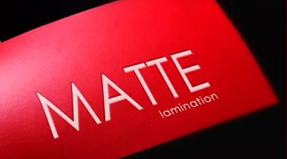
Matte
Reduce the color vibrancy of your heat sealed Mylar bags and give them a subdued look with the matte finish. Choose this finish to keep the bags safe from fingerprint smudges.
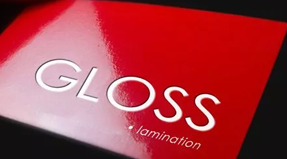
Gloss
Use the gloss finish to add a shiny protective layer around the Mylar bags. Enhance the color vibrancy and keep the bags safe from abrasions with this finish.
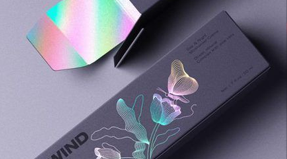
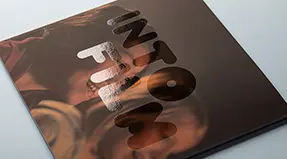
Holographic
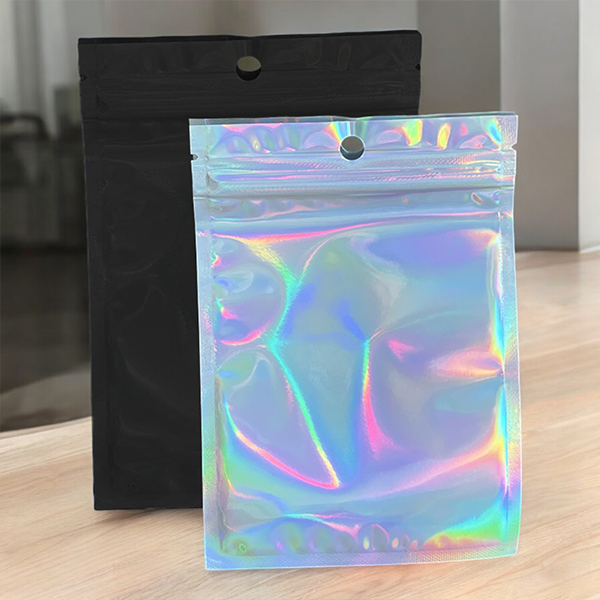
When choosing monochrome for your heat seal Mylar bags, give the holographic finish a try. Give your bags a rainbow sheen and attract more customers.
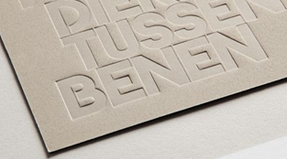
Embossing
Raise the texture of the visuals on your Mylar bags to give them a 3d appearance. Choose this finish on your brand’s logo for a more prominent look.
How Are Heal Seal Bags Made?
- Heat polyethylene terephthalate (PET) until it melts.
- Stretch the molten plastic thin in two directions (biaxially oriented) to make it tough.
- Seal a vaporized layer of aluminum using a vacuum onto the plastic film to create the shiny, protective barrier.
- Add extra layers of plastic on the inside so the bag can melt and seal correctly when heated.
- Cut and form the large sheets of laminated film into individual pouches or bags.
Keep Your Products Safe from External Factors!
Choose custom heat sealing Mylar bags to keep different items safe from external factors. Retain moisture and the original aroma of the products within these bags. Customize the packaging to attract and retain more customers. Contact us today and get a free custom quote for your custom packaging needs.
 QUICK FREE QUOTE
 OFFSET, SCREEN & DIGITAL PRINTING
 FREE GRAPHIC DESIGNING
 FREE SHIPPING
 NO DIE & PLATE CHARGES
 QUICK TURNAROUND TIME
 MOQ 100 BOXES
 CUSTOM SIZE & STYLE