The Customize Boxes
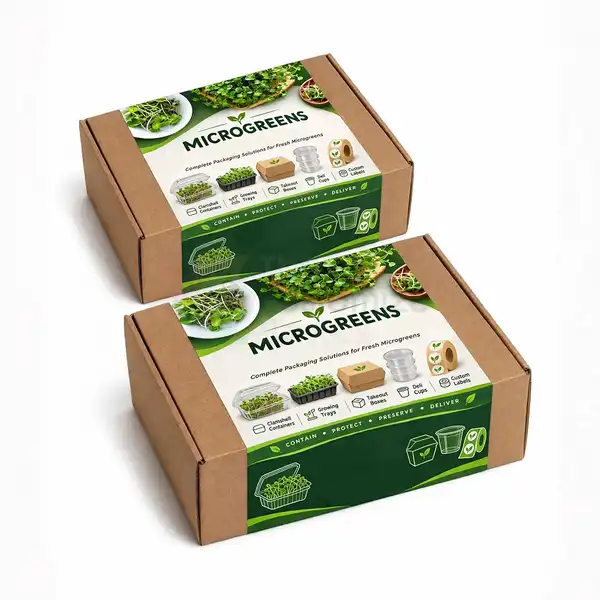
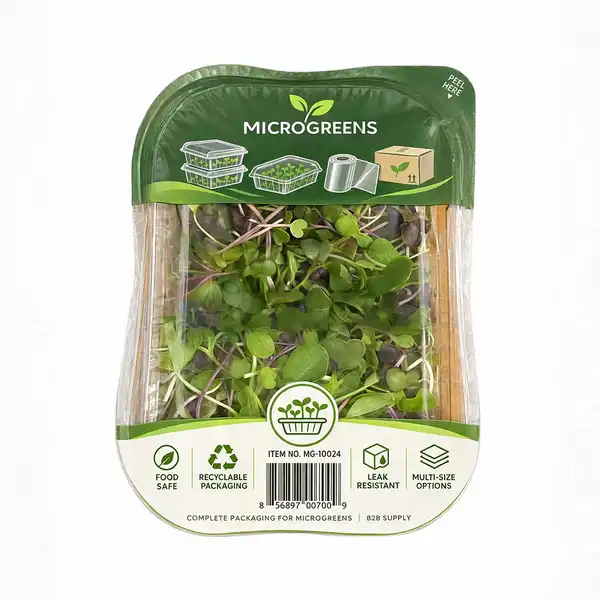
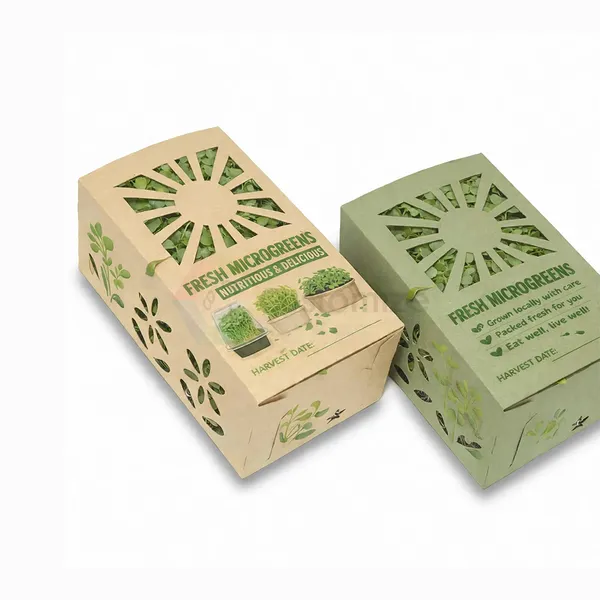
Microgreens Packaging
Microgreens Packaging Custom Microgreens Packaging Microgreens Packaging Wholesale Microgreens Packaging Bulk

Custom Microgreens Packaging

In Stock

Upgrade your meals with premium, farm-fresh meats. Sourced from 100% grass-fed, locally raised livestock, our hand-selected cuts are vacuum-sealed at peak tenderness to deliver unbeatable flavor directly to your kitchen. Taste the difference that quality makes. Order your custom meat box today and get free delivery on your first purchase!

Read More
QUICK FREE QUOTE
OFFSET, SCREEN & DIGITAL PRINTING OFFSET, SCREEN & DIGITAL PRINTING
FREE GRAPHIC DESIGNING FREE GRAPHIC DESIGNING
FREE SHIPPING FREE SHIPPING
NO DIE & PLATE CHARGES NO DIE & PLATE CHARGES
QUICK TURNAROUND TIME QUICK TURNAROUND TIME
MOQ 100 BOXES MOQ 100 BOXES
CUSTOM SIZE & STYLE CUSTOM SIZE & STYLE
The Essential Guide to Custom Microgreens Packaging

Commercial microgreens packaging does far more than just hold a product; it keeps a living, respiring organism alive until it reaches the plate. The core operational challenge of selling living greens and cut greens is balancing transpiration and relative humidity. Too much trapped moisture rots the delicate crop: too little ventilation causes immediate wilting.

This comprehensive guide covers format options, material performance, and specialized engineering required by commercial growers supplying farmers' markets, grocery stores, restaurants, and direct-to-consumer (DTC channels.

The Science of Shelf: Respiration & Condensation 

Unlike standard cut vegetables, microgreens have an exceptionally high respiration rate. After harvest, they continue to consume oxygen and release carbon dioxide and water vapor. Managing this modified atmosphere determines whether your crop lasts four days or two weeks. 

Vented & sealed:

Vented produce packaging is the gold standard for standard retail. Ventilation holes allow excess water vapour to escape, preventing high relative humidity that triggers bacterial breakdown. Sealed environments are reserved strictly for short-term restaurant deliveries or gas-flushed, modified atmosphere packaging (MAP).

The condensation Danger Zone:

 Heavy droplets forming on the inside of a hinged lid signal the wrong pack environment or a broken cold chain. When warm, humid air inside the container hits a cold surface, it condenses liquid water contacting the leaves, causing rapid tissue collapse. 

Layout & Structural Engineering: Why Shape Matters

When selecting shapes for your microgreen clamshell packaging or printed microgreens boxes, choose wide, flat profiles over tall, cubic geometries.

Wide containers distribute the weight of the greens evenly, preventing the bottom layers from suffering compression damage. They also maximize the available display surface for your grower label while offering better shelf visibility. Crucially, the packaging must offer high crush resistance and a stable, stackable design to withstand stacking inside delivery crates during transport. 

Container Sizing Guide

Choosing the right volume container prevents which cause cruishing or under-packaging, which makes the product look sparse.

Product Net Weight

Recommended Container Volume

Best Structural Formats

1 oz – 2 oz

8 oz container

Low-profile clamshell, window carton

3 oz – 4 oz

16 oz container

Standard vented clamshell, belly band carton

8 oz – 16 oz

32 oz container / Bulk

Deep vented tote, poly bag (Food service)

Format Options & Material Science

Growers can choose from several structural formats based on their target market:

  • Clamshells & Sleeves: 

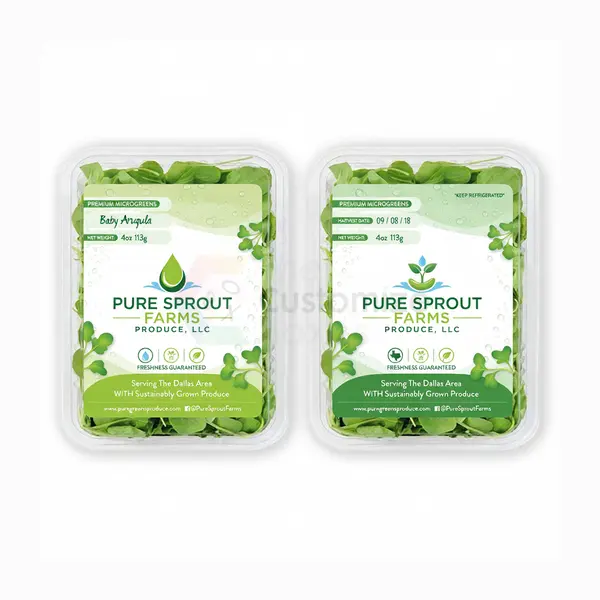
A vented clamshell with a hinged lid offers unmatched structural protection. Pairing it with a custom paper sleeve or belly band adds premium branding without the high minimum order quantities (MOQs) of direct printing.

  • Cartons & Bags: 

Window cartons and vented cartons provide an organic, premium aesthetic. For low-cost operations, a baker's bag, cello bag, or poly bag works well for high-turnover restaurant sales, though they offer zero crush protection.

Sustainable vs. Conventional Materials

Selecting materials impacts both your operational costs and your environmental branding claims:

  • PET (Recycled Polyethylene Terephthalate): 

Highly transparent, affordable, and widely curbside recyclable. It provides excellent rigid protection but relies on traditional recycling infrastructure.

  • PLA (Polylactic Acid) & Cellophane: 

Plant-based, bio-plastic alternatives. When BPI-certified, these materials support authentic compostable marketing claims. However, PLA has a lower melting point and can warp if exposed to high heat during transit.

  • Kraft Board & Molded Fiber: 

Excellent for rustic branding. Uncoated kraft board absorbs excess moisture naturally, acting as a built-in moisture-wicking pad. However, it requires a food-safe PE coating or a plant-based bio-film lining if the greens are packed exceptionally damp to prevent the paper from softening.

Label Adhesion and Ink Choices

Printing directly on a cold, damp pack or applying a label in a walk-in cooler requires specialized materials. Standard paper labels will flag, wrinkle, and peel due to condensation. Always specify waterproof vinyl or BOPP plastic label stocks paired with an aggressive, cold-temperature permanent adhesive. If printing directly onto paperboard boxes, use UV-cured or moisture-resistant inks to prevent bleeding and smudging when exposed to moisture.


Stock Type & Thickness
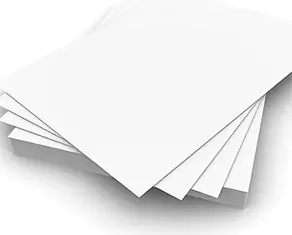
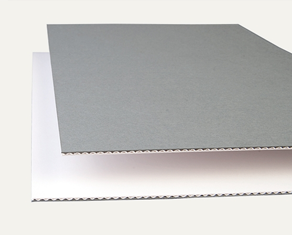
Cardboard
Cardboard
We use cardboard material with the least environmental impact and minimizes waste generation.
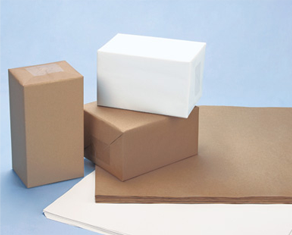
Kraft
Kraft
Kraft paper is a strong, durable and reliable material that is widely used across many different industries.
Rigid
Rigid
Rigid is highly protective, affordable and recyclable material. These boxes provide maximum protection.
Corrugated
Corrugated
Corrugated material is easy to customize, cost effective and sustainable. It is also great for branding purposes.
Finishing Assortment
Foil Stamping
Foil Stamping
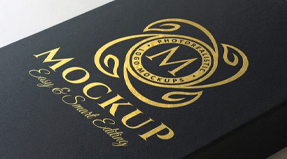
Decorate a wide range of your product packaging with our foil stamping.
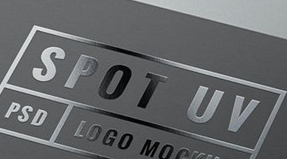
Spot UV
Spot UV
Our high-gloss UV coating gives light and shine to cure the printed material's varnish.
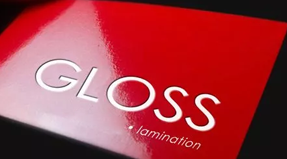
Gloss
Gloss
Our glossy finishing gives your packaging an extra layer of shine.
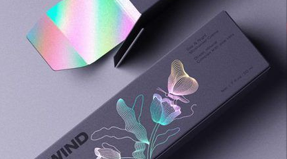
Holographic Foiling
Holographic Foiling
Holographic foil diffracts light and reveals the colors of the rainbow at various angles.
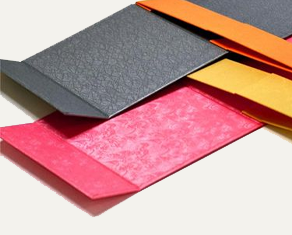
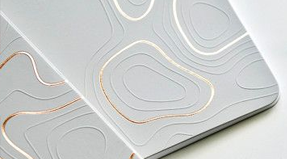
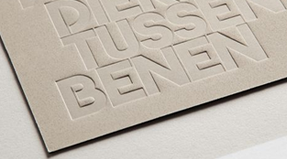
Embossing
Embossing
With our embossing technique, we transfer the finest details of your product on packaging.
Debossing
Debossing
We use debossing technique to add unique graphics into your packaging.
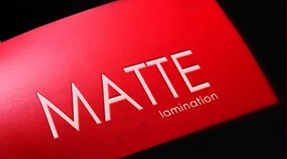
Matte
Matte
With our matte finish, fingerprints and smudges will now be less visible on the packaging.
Soft Touch Lamination
We add additional layer of protection with soft touch lamination from toner chipping.
FREQUENTLY ASKED QUESTIONS

Use an 8 oz container for 2 oz of greens, and a 16 oz container for 4 oz of greens to prevent crushing.

Always choose vented produce packaging. Sealed containers trap respiration gases and moisture, causing the greens to turn slimy.

Condensation occurs when warm, humid air inside the pack cools rapidly, causing vapor to liquefy against the plastic. Proper cooling before packing minimizes this issue.

In a properly vented container within a strict cold chain, cut microgreens last 10 to 14 days.

Clamshells are best for retail because they prevent crushing. Bags are highly cost-effective for immediate restaurant deliveries where structural stacking isn't required.

Look for BPI-certified PLA plastics, cellophane, or unbleached molded fiber trays.

Yes, you can order custom microgreen packaging with direct print, or use custom-printed cardboard sleeves over wholesale blanks to reduce initial costs.

Yes, provided the manufacturer specifies that the material is FDA food-contact safe.

Use clamshells featuring integrated tear-strip locks or apply a branded, breakable safety seal label across the lid opening.



whatsapp