
In this guide
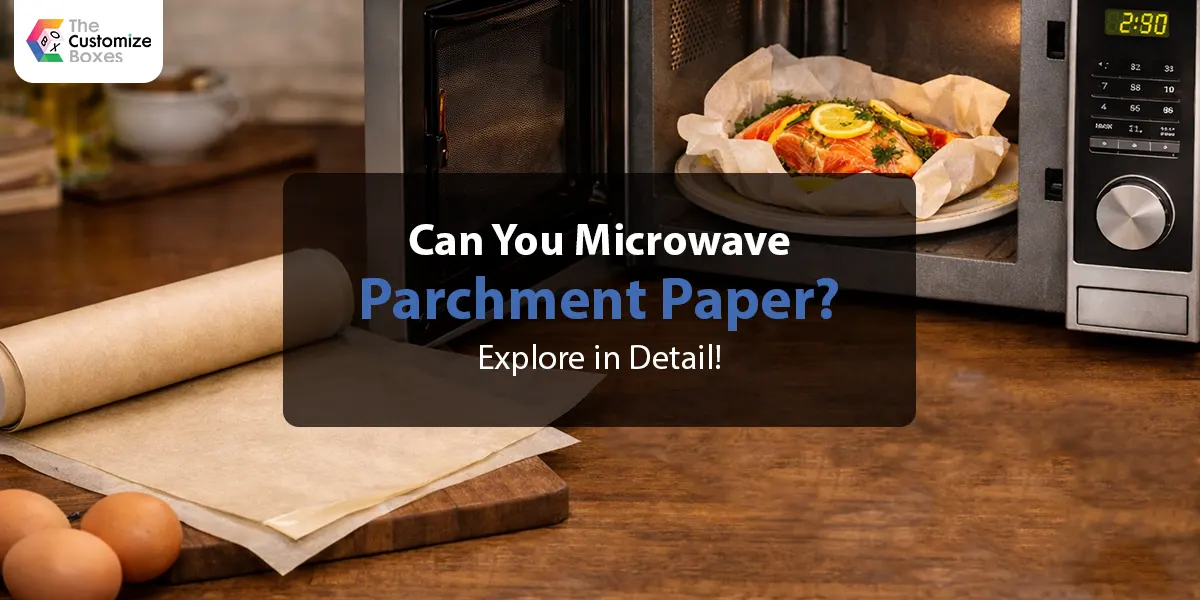
Whether you are a food brand or a catering service, parchment paper becomes an essential kitchen tool. This paper helps cooks and bakers to prepare flawless food dishes while reducing cleanup. But if you want to use it in the microwave, consider whether it would be a safer option.
Explore this blog to get an answer to: Can you microwave parchment paper without any issues? And its benefits compared to other materials like plastic wrap.
What is Parchment Paper?
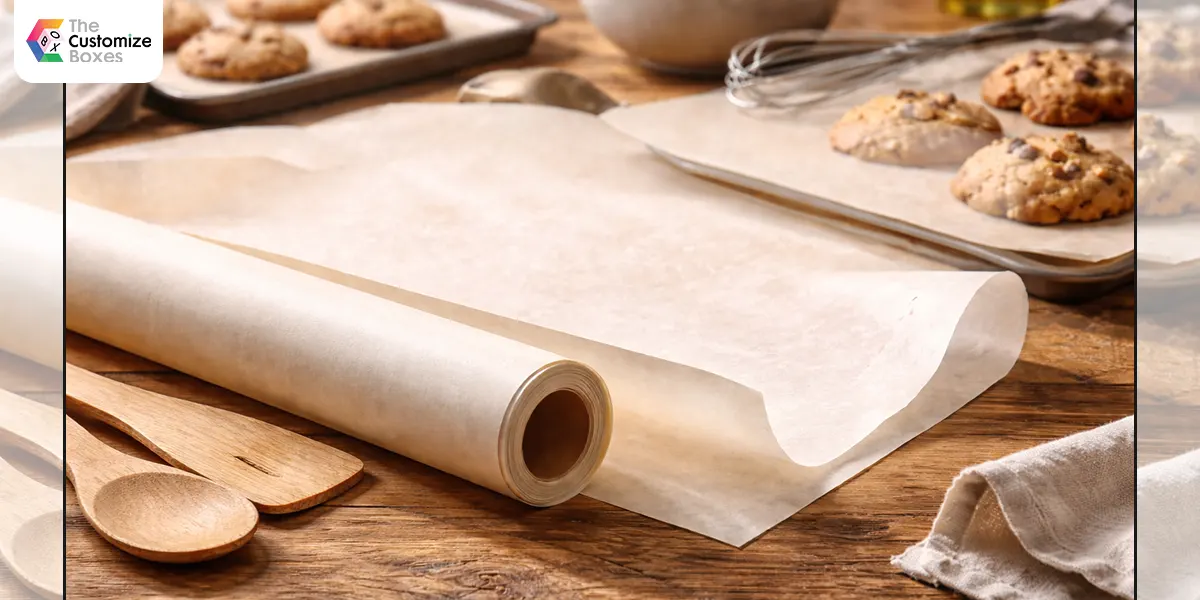
Before exploring, can you microwave parchment paper, firstly know what exactly it is. Parchment paper is non-stick paper. Its silicone coating makes it resistant to both heat and moisture. Speaking technically, parchment paper is made from cellulose fibers.
These fibers are derived from wood pulp that is treated with sulfuric acid. This process is called parchmentizing, which increases density, heat, and moisture resistance. It is often finished with a food-safe silicone coating that makes the surface of parchment paper “non-stick”. As a result, parchment paper becomes a perfect, reliable option for a wide range of cooking and baking tasks.
Can You Microwave Parchment Paper?
Let’s get straight to the answer: can you microwave parchment paper? Put simply, yes. The ability of parchment paper to withstand 450°F temperature makes it safe to use in a microwave. Keep in mind, 450°F is the temperature that most microwaves can reach.
You can use parchment paper confidently to cover food, prevent splatters, or steam items, as it is heat-resistant and non-stick. It will not melt or easily catch fire under normal conditions. Ensure it does not touch the microwave walls and avoid excessive, prolonged heating times.
Explore the Benefits of Microwaving with Parchment Paper
From convenience to enhanced food quality, microwaving parchment paper brings versatile benefits. Have a look at those benefits here:
-
Prevent Splatter and Mess
Covering dishes with parchment paper during heating helps contain splatters of sauces and food particles. It significantly reduces internal microwave cleaning. Silicone-coated, greaseproof parchment paper prevents oils and fats from soaking through to pans, making cleanup as simple as discarding the paper. Placing a sheet of crumpled parchment over food in a pan can act as a shield to contain grease splatters.
-
Retain Moisture in Food
When used to cover or wrap food, parchment paper creates a steamy environment that locks in natural juices and flavors. As a result, it prevents items like chicken, fish, or leftovers from drying out. Wrapping proteins or vegetables tightly in parchment seals in steam while creating a moist, aromatic, and nutrient-rich environment that keeps food succulent.
-
Distribute Heat Evenly
Unlike metal pans that can create extreme hot spots, parchment paper provides a consistent surface, slowing the heat transfer slightly to prevent burning. This paper acts as a gentle, insulating barrier between the hot, conductive baking sheet and the food, preventing direct, intense heat contact. Its coating prevents food from sticking, reducing the need for oils that can cause uneven cooking.
-
Don’t Contaminate Meals
Compared to some plastic wraps that may leach chemicals into food when exposed to heat, parchment paper is non-toxic and free of harmful chemicals like chlorine, making it a safer option for cooking and reheating.
-
Support Versatile Functions
Parchment paper can be used for various tasks. For example, lining containers, wrapping burritos or sandwiches for heating, or creating "en papillote" packets for steaming vegetables and proteins are among those tasks.
-
Reduce Carbon Footprint
Most parchment paper is biodegradable and can be reused on occasion, making it an affordable and more environmentally conscious choice compared to single-use plastic wrap. Parchment paper is 100% biodegradable, meaning it naturally decomposes without leaving behind harmful microplastics or residues.
Impact of Microwave Parchment Paper on Health
Unlike some plastic wraps that may leach endocrine disruptors like BPA or phthalates when heated, high-quality parchment paper provides a safer barrier. Wrapping food in parchment (such as the "en papillote" method) helps retain moisture and nutrients by creating a gentle steaming effect.
White parchment paper is often treated with chlorine, which can leave trace amounts of dioxins. That’s the reason health-conscious consumers often prefer unbleached (brown) parchment paper for the lowest chemical exposure.
Tips to Consider While Microwaving in Parchment Paper
Now you know parchment paper is safe to use in the microwave. Consider some notable tips while microwaving parchment paper to maximize its benefits:
-
Vent Steam
When using parchment paper to cover food, avoid sealing it too tightly. Instead, leave space for steam to escape to avoid a soggy mess or pressure buildup. Twist only paper edges, rather than completely sealed, providing a natural release point for excess pressure.
-
Prevent Overheating
Keep the parchment paper away from the microwave walls to prevent scorching or fire risks. Do not use it for long, high-power cooking cycles. Never use parchment paper in a broiler, as temperatures often exceed 500°F, which causes the paper to combust.
-
Keep It Flat
Lay the parchment paper flat on top of the food or containers. Wrinkles can cause uneven heating. If the paper is too light, it may fly around. To avoid it, lightly grease the baking sheet with butter or oil to act as glue, securing the paper in place.
-
Weigh It Down
Because parchment paper comes in rolls, it retains a curl. Weighing it down or crumpling it first ensures it sits flat in baking pans. Crumple the parchment paper into a tight ball, then flatten it back out before placing it in the pan. The creases destroy the paper's "memory" of being on a roll, causing it to lie flat.
-
Use Proper Type
Ensure the paper is labeled as microwave-safe. Avoid using wax paper, as it is not the same as parchment and can melt. Using the correct, food-grade parchment prevents chemicals from leaching into food. Many brands now offer PFAS-free or uncoated options, which are considered safer for cooking.
-
Pick Optimal Size
Paper that is too large and hangs over the edges of a pan can block heat circulation in convection ovens or burn, leading to unevenly baked food. Do not use overly large pieces of parchment paper that could catch on the rotating mechanism or sides.
Parchment Paper vs Plastic Wrap
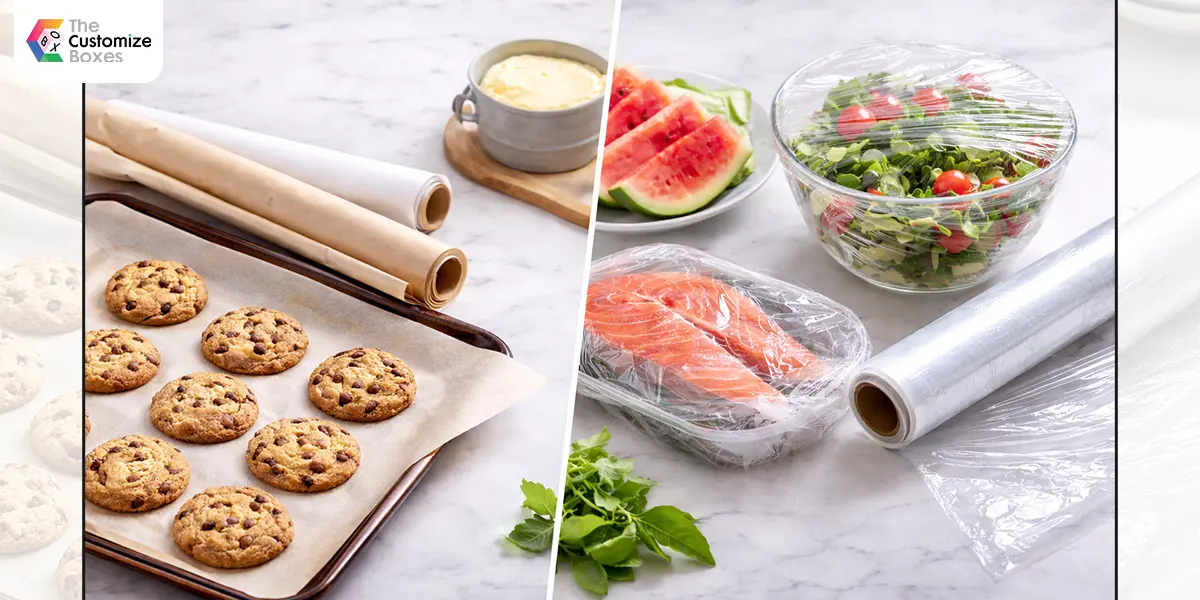
The heat-resistant parchment paper has a competitive edge over plastic wrap. Unlike parchment paper, plastic wrap can’t be used in the oven. Plastic wrap is good for keeping food items fresh in cold storage solutions, while parchment paper keeps baking and cooking foods fresh during heating.
Parchment Paper vs Microwave Safe-Lids
Parchment paper and microwave-safe lids both effectively prevent splatters and retain moisture in the microwave. However, lids offer superior durability and reusability, while parchment is better for steaming and single-use convenience. Lids provide a snug, often vented fit, whereas parchment is disposable, heat-resistant, and versatile for covering odd-shaped dishes.
Where to Get Well-Customized Parchment Paper?
Since you got Yes for: Can you microwave parchment paper? Investing in parchment paper not only keeps your food fresh but also reduces mess and promotes sustainability. So, leverage it to enhance your business reputation.
The Customize Boxes offer food businesses like you well-customized parchment papers that enhance your brand visibility and memorable customer experience. If you are interested in boosting your brand recall, contact us for customizing your parchment paper based on your needs.
Frequently asked questions
Is parchment paper safe to microwave?
Yes, parchment paper is safe to use in a microwave. It can withstand a temperature of 450 degrees Fahrenheit, which most microwaves reach.
Can I microwave a burrito in parchment paper?
Yes, you can safely microwave a burrito wrapped in parchment paper. It is microwave-safe, keeps the tortilla from sticking to the plate, and helps lock in steam for even heating.
What not to do with parchment paper?
Do not use parchment paper above 425°F, near open flames, or under a broiler, as it can catch fire. Avoid using it in air fryers without food on top or for searing fatty foods, where draining is needed.
Can I reheat food in parchment paper?
Yes, you can safely reheat food in parchment paper in both the microwave and conventional oven. It is excellent for preventing splatters, retaining moisture, and avoiding messy cleanup.