In this guide
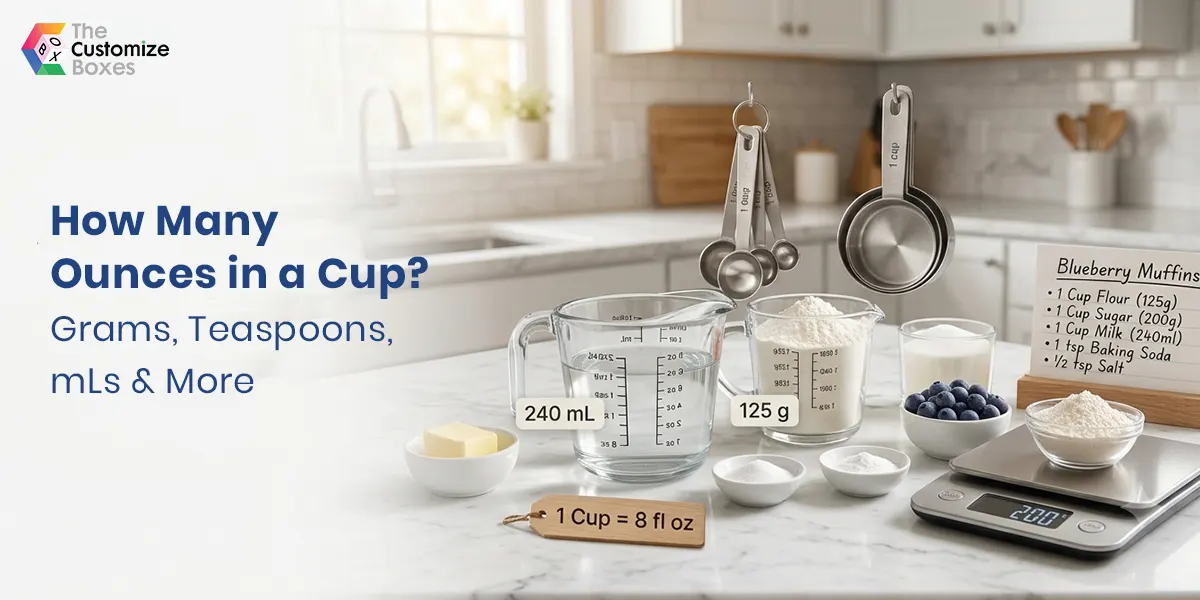
Whether you’re making your first favorite dish or it’s the week's bucket list baking item, the right quantity of ingredients counts a lot. Any measurement error can ruin the entire recipe and result in the waste of items. But that’s not the case when you understand the quantity difference and know how many ounces are in a cup. Here, in this blog, we’ll discuss this aspect in detail so you don’t have to struggle with conversions in the meantime.
What is an Ounce?
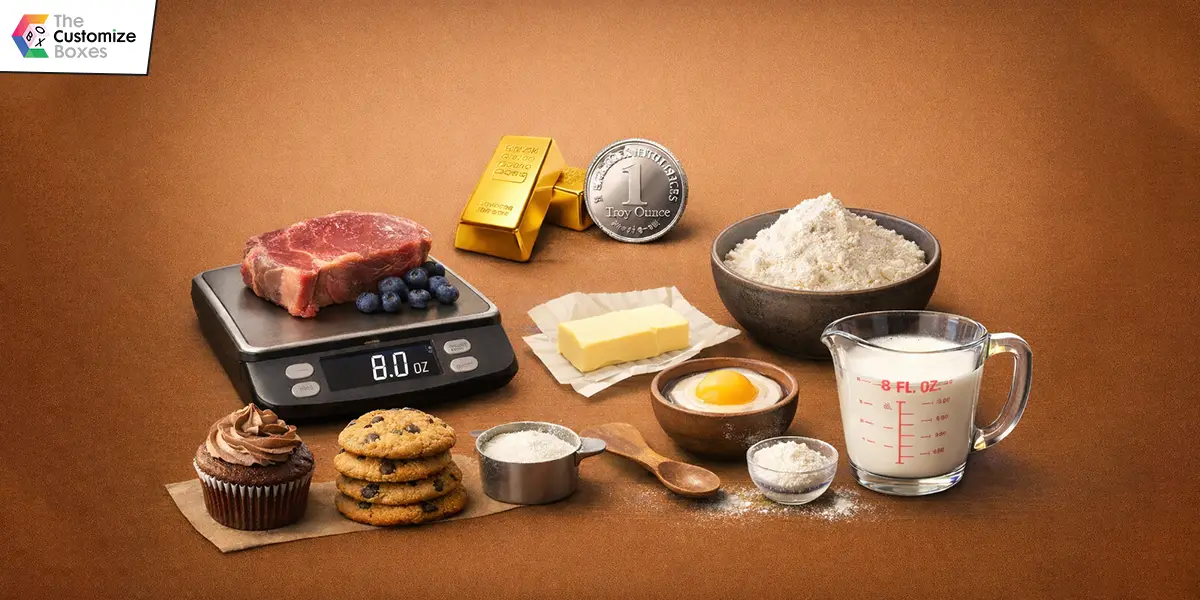
An ounce is a measurement unit that is used to determine either volume, weight, or mass of an item. Countries that follow this measuring unit include the U.S, Myanmar, Liberia, and more to weigh out the exact ingredient’s quantity.
What is a Cup?
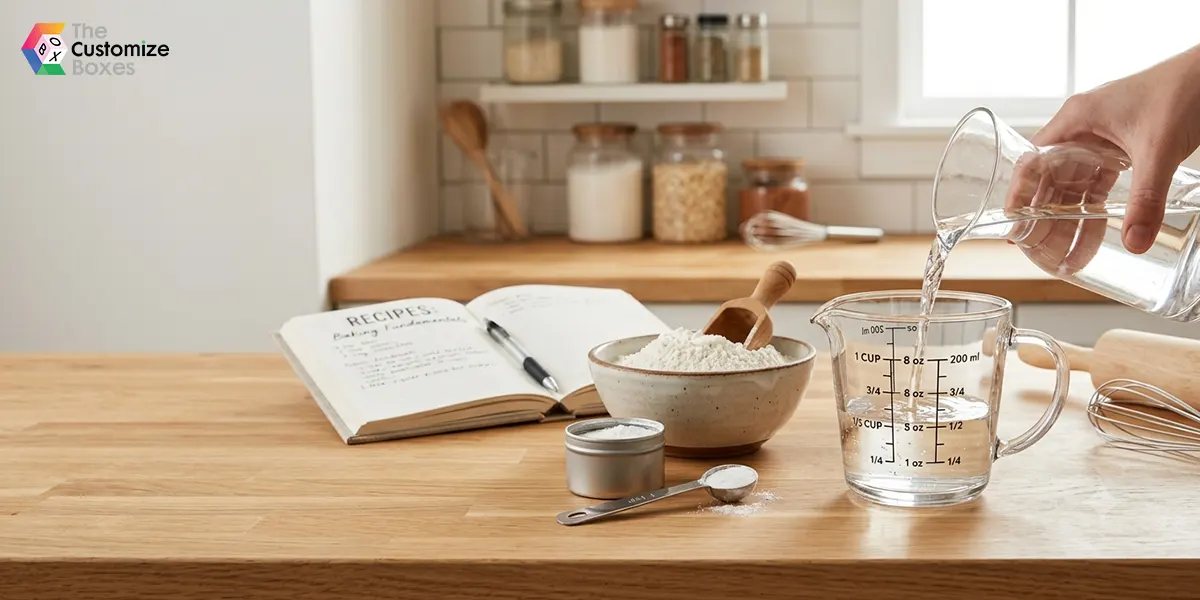
A cup is a pre-determined bowl or non-lid container that is labeled with exact measuring scales on either the inside or outside of the surface. You may often read and listen to recipes saying “one cup of flour, baking powder, or water, etc.” The term itself is defined as its widely used in the cooking industry.
Why Need to Count Ounces in a Cup?
There are multiple reasons to find out how many cups are in an ounce. Some of them are briefly mentioned below to find out:
- Baking Accuracy
- Liquid vs. Dry Differences
- Health and Portion Control
- International Recipe Conversion
Whatever the purpose of the conversion is, the accuracy of the recipe is always at the top for chefs and home kitchen enthusiasts.
How Many Ounces in a Cup? Ounces to Cups Conversion
Here’s the simple conversion of ounces to cups that allows you to understand the exact portion sizes. For instance:
|
Cups |
Fluid Ounces (oz) |
|
1/8 cup |
1 ounce |
|
1/4 cup |
2 ounces |
|
1/3 cup |
2 1/2 ounces |
|
1/2 cup |
4 ounces |
|
2/3 cup |
5 ounces |
|
1 cup |
8 ounces |
|
1 1/2 cups |
12 ounces |
|
2 cups |
16 ounces |
|
2 1/2 cups |
20 ounces |
|
3 cups |
24 ounces |
|
4 cups |
32 ounces |
Weight-Wise Conversion Table
For those who want to get an idea of how many ounces equals grams and pounds, this chart will allow you to better understand the conversion. But before that, just have a glance at these two formulas to learn how this conversion is figured out.
- Formula for Grams: Mass of content (ounce) x 28.35
- Formula for Pounds: Mass of content (ounce) ÷ 16
|
Ounces (oz) |
Grams (g) |
Pounds (lb) |
|
½ ounce |
15 grams |
0.03125 pounds |
|
1 ounce |
28 grams |
0.0625 pounds |
|
2 ounces |
56 grams |
0.125 pounds |
|
3 ounces |
85 grams |
0.1875 pounds |
|
4 ounces |
113 grams |
0.25 pounds |
|
5 ounces |
142 grams |
0.3125 pounds |
|
8 ounces |
226 grams |
0.5 pounds |
|
10 ounces |
283 grams |
0.625 pounds |
|
12 ounces |
340 grams |
0.75 pounds |
|
15 ounces |
425 grams |
0.9375 pounds |
Liquid Volume Conversion Table
Aside from the dry content measurement, below is the table that mentions the quantity of the content for liquid form. The formulas that will be used for these liquid-based conversions are as:
- For mL: Volume (cup) x 236.6
- For Tbsp: Volume (cup) x 16
|
Ounces (fl oz) |
Cups |
Milliliters (mL) |
Tablespoons (Tbsp) |
|
2 fl oz |
¼ cup |
59 mL |
4 Tbsp |
|
2 ? fl oz |
? cup |
79 mL |
5 Tbsp |
|
4 fl oz |
½ cup |
118 mL |
8 Tbsp |
|
5 ? fl oz |
? cup |
158 mL |
10 Tbsp |
|
6 fl oz |
¾ cup |
177 mL |
12 Tbsp |
|
8 fl oz |
1 cup |
237 mL |
16 Tbsp |
|
12 fl oz |
1 ½ cups |
355 mL |
24 Tbsp |
|
16 fl oz |
2 cups |
474 mL |
32 Tbsp |
|
32 fl oz |
4 cups |
948 mL |
64 Tbsp |
|
64 fl oz |
8 cups |
1896 mL |
128 Tbsp |
Equipment Required to Measure the Cups
Since each ingredient category is different, you have to select the right type of tool to weigh at its actual level. Here are some of the content-wise measures to consider.
-
Liquid Cups
The liquid measurement cups are used to weigh fluid ounces, which can be water, sauces, or more. Thanks to the labeling on these cups, the weighing task is more precise.
-
Dry Cups
For dry content such as corn flour, sugar, rice, and similar food items, dry measuring cups are best to determine the exact portion.
-
Measuring Spoons
Although not so common and ideal, tablespoons and measuring spoons can be used to measure the low quantity of ingredients. It can be either wet or dry content such as salt, vinegar, spices, and anything that contains a minimal weight in the whole recipe but has a significant impact on the taste.
Difference of US Vs. UK Measurement of Ounces
You may notice the minor difference in the recipes of American vs. British dishes in the ingredient quantity. Yes, that’s not a mistake but an actual difference because of the regional measurement scales. In the UK, a cup contains approx. 240ml while in the UK it’s 250ml. There’s only a 10 ml gap between both of these but when the dish is prepared it can completely change the flavor and taste if not followed as per the described.
|
US Standard |
US Metric (ml) |
UK / Metric (ml) |
|
1/4 cup |
59 ml |
60 ml |
|
1/3 cup |
79 ml |
83 ml |
|
1/2 cup |
118 ml |
125 ml |
|
2/3 cup |
158 ml |
167 ml |
|
3/4 cup |
177 ml |
188 ml |
|
1 cup |
240 ml |
250 ml |
The Bottom Line
All in all, we hope now you know how many ounces are in a cup and how you can reverse-engineer the weighing game for your recipes. If you’re still confused, then it’s recommended to just Google the conversion as you want, or you can use the mobile phone’s conversion calculator for free.
Frequently asked questions
How many oz equals 1 cup?
The standard measurement for 1 cup is equal to 8 oz of content. If we further narrow it down, it translates to teaspoons (tsp) or 240 milliliters (mL).
Is yogurt measured in a cup or ounce?
Since yogurt falls in the category of wet ingredients. It’s best to use the dry cup measuring technique for it. If the ingredient quantity is random, then you can use a teaspoon until the desired quantity is poured.
Does the density of content change in ounces in a cup?
For liquid content, the density of the fluid ounces doesn’t change. The volume standard ensures that the quantity remains equal for all wet ingredients and the consistency of the recipes isn’t compromised at all.