
In this guide
Tape is a simple yet powerful tool for binding, securing, insulating, and organizing. It usually comes into play where glues and epoxies are not suitable for adhesion. Many businesses and consumers rely on tape due to its strong adhesion.
But adhesive tape has an entire industry with versatile types. When it comes to choosing the best tape among different types of tape, you should consider several factors. Strength of adhesion, roughness, or smoothness of the taped surface are among those factors. To know everything about tapes, read this blog to the end!
Important Components of Tape That Determine Their Durability
Before we dive right into the types of tape, let’s explore some factors of tape that every tape comprises. These components are responsible for determining the durability of tape. It can be made of plastic, vinyl, fabric, or paper.
The other component of tape is adhesive. This helps the tape stick to objects effectively. The strength of the adhesive determines how firmly the tape will stick to the surface of any object, such as boxes. These adhesives are made of silicone, latex, rubber, and other elements.
Lastly, tapes come with a release liner and are made of paper or vinyl coated with a release substance. The prime purpose of this component is to safeguard the adhesive of the tape.
Consider 7 Popular Types of Tape
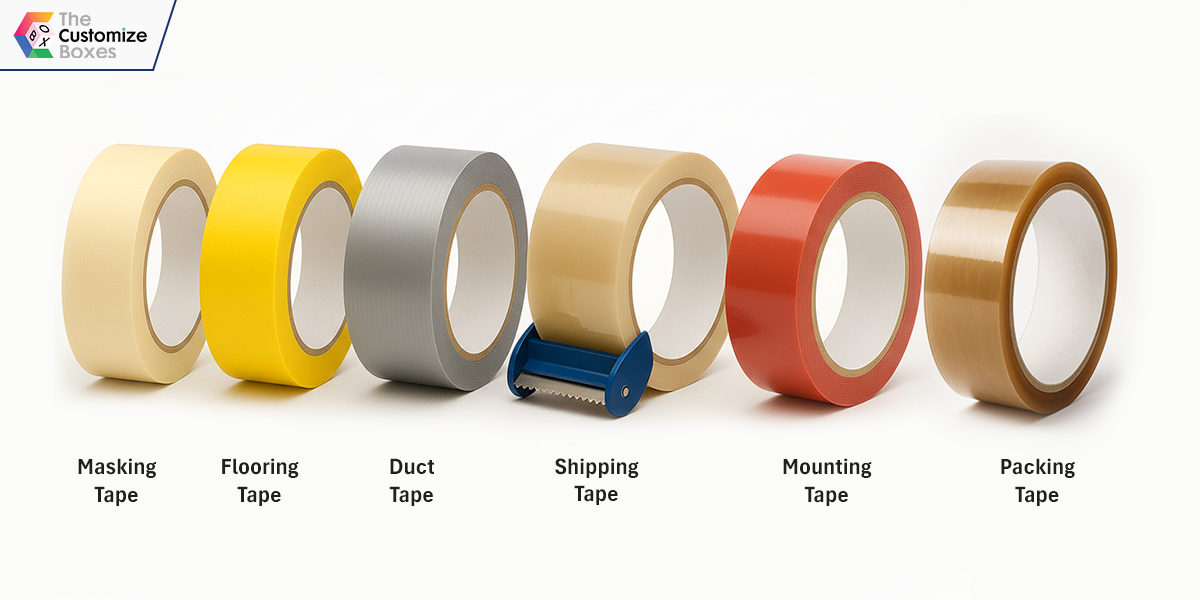
First, explore different kinds of tape to note their features and decide which one will best serve your purpose. Here are the seven most popular types of tape, among others:
-
Masking Tape
Masking tape is a type of adhesive tape with a paper backing and a light-to-medium-tack adhesive. It is designed for temporary adhesion and clean removal without leaving tape residue. You can use masking tape to protect surfaces during projects like painting, packaging, labeling, or crafts.
Painter’s tape is a specific type of masking tape optimized for painting projects. It is designed to prevent paint bleeding for crisp lines. However, painter’s tape and masking tape are used interchangeably. You can also use masking tape for labeling items, bundling objects, or temporary repairs.
-
Flooring Tape
Flooring tape is also known as “industrial” or “floor marking tape”. As its name indicates, this tape is a strong, self-adhesive tape used to mark floors for safety, organization, and traffic control. Flooring tape is durable as it is made of materials like vinyl or PVC.
Keep in mind that floor marking tape is a quick, flexible alternative to floor paint for marking walkways, hazardous zones, aisles, and storage areas. In crux, this tape plays a crucial role in highlighting hazards, emergency exits, and restricted zones to prevent accidents.
-
Duct Tape
It is a strong, multi-layered adhesive tape made with a polyethylene top layer. The layer is a cloth or scrim middle layer and a rubber-based adhesive bottom layer. Its construction makes it durable, water-resistant, and easy to tear by hand.
Due to this versatility, you can utilize duct tape in professional and household settings for repairs, binding, and sealing. Duct tape is often used for quick, temporary solutions because of its short-term strength.
-
Electrical Tape
Electrical tape is a pressure-sensitive adhesive tape made of non-conductive materials, mostly vinyl or PVC. It is used for insulating, protecting, and color-coding electrical wires and cables. Electrical tape is designed to provide electrical insulation, prevent shorts, and shocks.
This tape also offers protection against moisture and abrasion, making it a safety tool for both professional electricians and general use. Electrical tape comes in various colors to help users identify different wires for safety or organizational purposes.
-
Packing Tape
It is also known by other names like “parcel tape” or “carton sealing tape”. Like electrical tape, packing tape is also a pressure-sensitive adhesive tape. It is often made from polypropylene or polyester film. If you are looking for a strong adhesive solution for sealing boxes and packages, packing tape serves best.
The reason is that packing tape is a durable, user-friendly option for securing shipments. There are different kinds of packing tape, including filament tape, colored tape, and quiet tape. Among these types, colored tape is used for identification, branding, or aesthetic purposes.
-
Shipping Tape
Shipping tape is a strong yet durable tape designed to seal packages for shipping. It is also made of high-adhesion materials like polypropylene or polyester to withstand rough handling, movement, and pressure.
You might find similarities in shipping and packing tape, but that’s not how it seems. The difference lies between shipping vs packing tape. This is because shipping tape is a heavy-duty and high-strength adhesive designed for the rigors of shipping.
However, packing tape is generally used for sealing boxes for moving and storage. It is more affordable and user-friendly compared to shipping tape.
-
Mounting Tape
Mounting tape serves as a strong, double-sided adhesive tape designed to bond two surfaces together without the need for nails or screws. It is usually made with a foam backing and a powerful acrylic adhesive, making it suitable for a variety of household and industrial applications.
You can use mounting tape for hanging pictures, securing trim, or mounting household items. Being double-sided, mounting tape adheres to two surfaces at once while creating a strong bond. Its unique feature is its capability of holding significant weight, though the exact amount depends on the product and surface.
Consider Tips for Applying Tape
Since you have explored different types of tape, now follow the essential tips for effectively applying tape to acquire the best adhesion. So that removing the tape doesn’t cause tearing of the surface or leave behind sticky residue.
To apply tape effectively, always prepare the surface by cleaning and drying it. Then, apply the tape in manageable strips while pressing down firmly to seal the edges without stretching it. Use the right kind of tape for the job, press it down smoothly, and allow it to set before use.
Explore Tips for Removing Tape
You need to follow some tips while removing tape. The reason is that if you remove the tape too quickly, it can cause a splinter. So, start by peeling slowly at a low angle, and if the tape is stubborn, gently warm it with a hairdryer to loosen the adhesive.
For leftover residue, use household products like rubbing alcohol, cooking oil, or warm soapy water. Or try a commercial adhesive remover, and test any substance on a small area first to ensure it won't damage the surface.
Choose Essential Tape Accessories
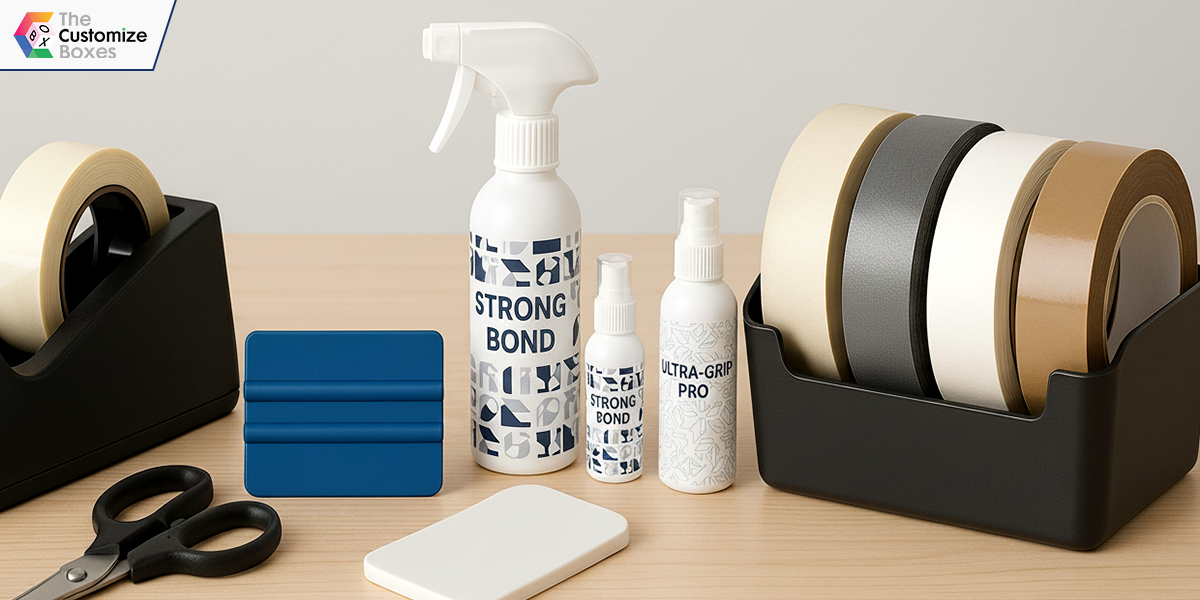
To use tape effectively and efficiently, especially for tasks like packaging, crafting, DIY, or sports, consider the following essential accessories:
- Tape Dispenser: A must-have for packaging or office use. A good dispenser allows for quick, precise, and clean cutting of tape while saving time and hassle compared to fumbling with a roll.
- Scissors: A dedicated, sharp pair of scissors is essential for achieving a clean cut, especially for heavy-duty tapes like duct tape or electrical tape.
- Application Pad: For some specific uses, like applying large sheets of film or intricate decals, application pads or squeegees can help smooth out the tape and prevent bubbles.
- Adhesive Remover: Stubborn tape residue can be frustrating. An adhesive-removing spray or wipe helps to safely remove sticky remnants without damaging surfaces.
- Surface Cleaner: For best results and long-lasting adhesion, the surface should be clean and dry. Wipes or sprays can be used to prepare the area before applying the tape.
- Adhesive Spray: In demanding conditions like high-sweat environments for athletic taping, a medical-grade adhesive spray can provide extra hold and make the tape bond faster and last longer.
- Storage Caddy: Keeping various rolls of tape (masking, duct, electrical, etc.) organized in a caddy. Or on a holder prevents them from getting lost, damaged, or unrolled accidentally.
Examine Core Features Tape Possess
The primary features of adhesive tapes are determined by the combination of their backing material and adhesive type. Consider these features while buying tape:
- Adhesion: This is the ability of the tape to bond securely to a surface, immediately upon contact. The strength can vary widely from temporary (masking tape) to permanent (heavy-duty mounting tape).
- Cohesion: This refers to the internal strength of the tape, including both the adhesive and the backing material, ensuring it maintains its integrity and resists splitting or tearing under stress.
- Backing Material: The primary material (e.g., paper, cloth, plastic film, foam, metal foil) that holds the adhesive and contributes to the tape's overall durability and flexibility.
- Clean Removal: A critical feature for some tapes (like painter's tape) that ensures they can be removed without leaving a sticky residue or damaging the surface.
- Environmental Resistance: Many tapes are designed to resist specific conditions, such as temperature resistance, UV resistance, moisture resistance, and solvent resistance.
Which Tape Should You Go For?
Choosing the right tape depends entirely on the specific task, material, and environment. There is no single "best" tape for all purposes. Because each tape serves different purposes. For example, use electrical tape for wires and cables, and shipping tape for transit packages. Or packing tape to enhance branding for your business.
If you are still unsure which tape to opt for, contact Custom Boxes Lane to come up with an ideal choice.
Frequently asked questions
What are the different types of tape?
There are many types of tape, including common household and industrial varieties like duct tape, packing tape, masking tape, and electrical tape.
What is the thick tape called?
Thick tape" is a general description, and the specific name depends on its intended use. The most common names for thick, strong tapes include duct tape, gaffer tape, and filament tape.
What type of tape is best?
There is no one-size-fits-all solution to choosing the best tape. Because each tape serves its unique purpose. Choose packing tape to seal packages for moving and handling, and electrical tape to bind wires and cables.
What is the strongest tape called?
The "strongest" tape depends on the specific application, but for heavy-duty, high-strength bonding, 3M VHB (Very High Bond) tape is often considered the strongest double-sided tape, capable of replacing traditional fasteners like screws and rivets.
What is the difference between packing tape vs shipping tape?
The main difference is that shipping tape is designed for long-distance shipping with high durability, while packing tape is generally used for lighter loads, moving, and storage.