
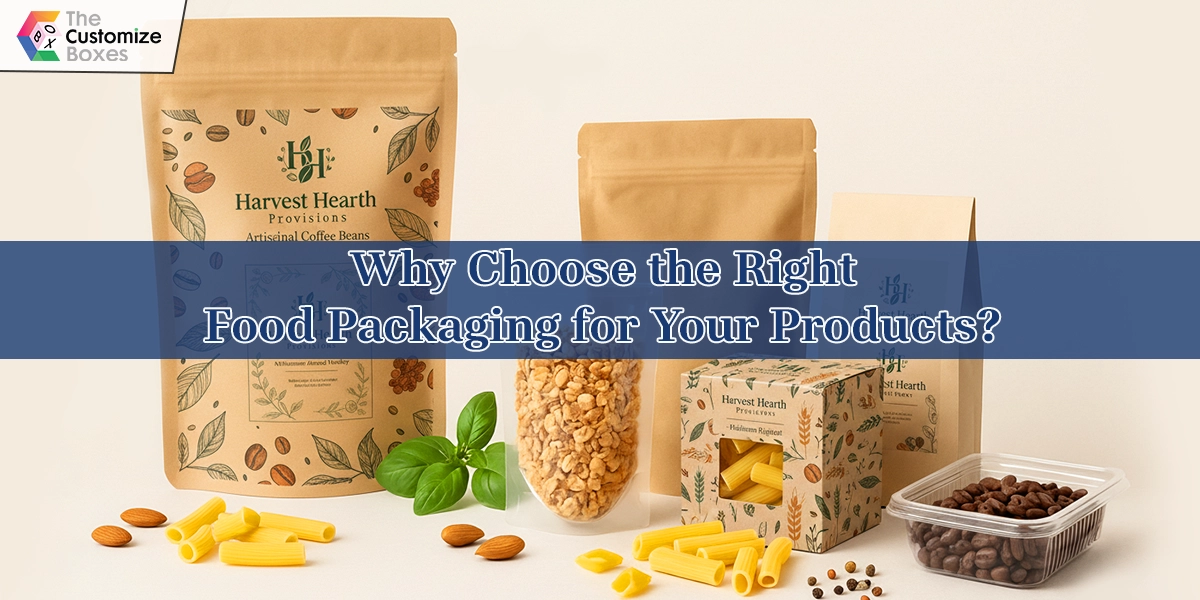
In this guide
Packaging isn’t a concern at all, but when it comes to food, the scenario is different. You have to consider multiple aspects that shouldn’t conflict with the edible quality. Here, the demand for food packaging comes, requiring a top-notch solution that is ideally developed for food items.
Factors That Influence the Food Packaging
If you think selecting the right packaging is simple, think again, as there are some aspects that count a lot. Here in the Things blog, we’ll explore them. So, read on to know more about it.
Budget
First and foremost, an aspect of food packaging is the budget. You can’t pack a few bucks’ food items in an expensive package and vice versa. The selection of the pouch, bag, or box depends upon the actual product you want to pack inside.
For instance, materials like kraft are lightweight and flexible, ideal for cost-effective packaging. It allows consumers to tear or open the bag on the go and trash it with peace of mind rather than worrying about its compostability.
Transportation
Secondly, you can’t transport the food products the way you want. The raw or processed food items demand a dedicated environment that keeps the food fresh and flavorful. Let’s suppose that for fired products, such as chips or snacks, they can be packed in the thick kraft paper bags. But there’s a risk that the oil will affect the integrity of the material, although it’s normal.
That’s why you should opt for a mylar-style material that preserves the crispness and freshness of the snacks the same as packed. Or if going for kraft paper-based packaging, it must be enhanced with multiple layers that provide a protective solution.
Shelf Life & Presentation
Thirdly, food packaging presentation matters a lot. No matter how your product tastes or the resources you’ve spent to enhance the flavour. If it doesn’t attract the buyer, they won’t purchase it at all. That’s why you should opt for a box or pouch that doesn’t preserve the product but also appeals to customers.
Beyond presentation, the packaging must offer great resilience and stay in its best shape on the shelves for the long term.
Materials Selection
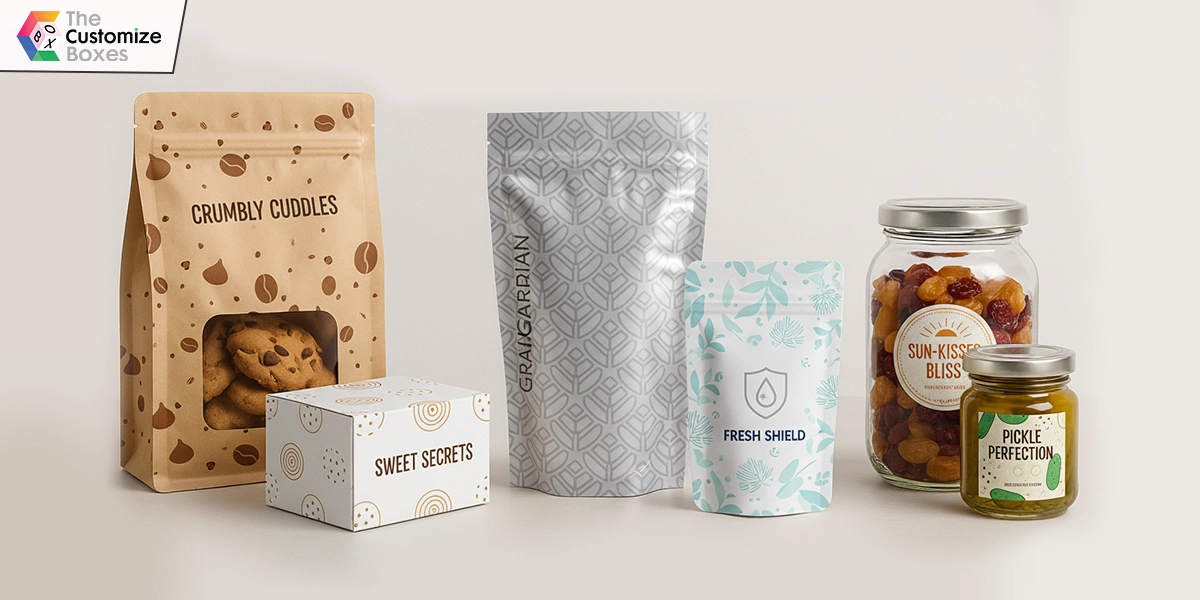
Food packaging depends on the material a lot. It defines whether the packaging contributes to the environment or damages it. That’s why going for a sustainable option is always preferred, regardless of the product you’re offering. Some of the top materials you choose from are:
- Kraft bags or boxes for on-the-go consumption items such as cookies, cakes, pasta, and more.
- Mylar pouches are used for dry or liquid-based products or those that lose their characteristics if exposed to air, even for a short time.
- Glass jars and containers for food products like pickles, jams, dairy, dried fruits, and more. The air-tight environment ensures the nutrients and flavor of these items don’t change even after long-term usage.
Size of Box
Compact or bulky — the portion of the food better tells how much space a box requires so that it doesn’t seem over- or undersized. The dimensions of a food box change as per its demands, such as a chips bag standard single size is 4’’ x 5’’ and 12’ x 16’’ for a family-sized pack.
Though it’s just an example for the servings, for shipments, this changes because the cartons are vast and can accommodate dozens of chip packets inside at once. Allowing companies to ship larger quantities in fewer transport sessions.
Benefits of Custom Food Packaging & Its Importance
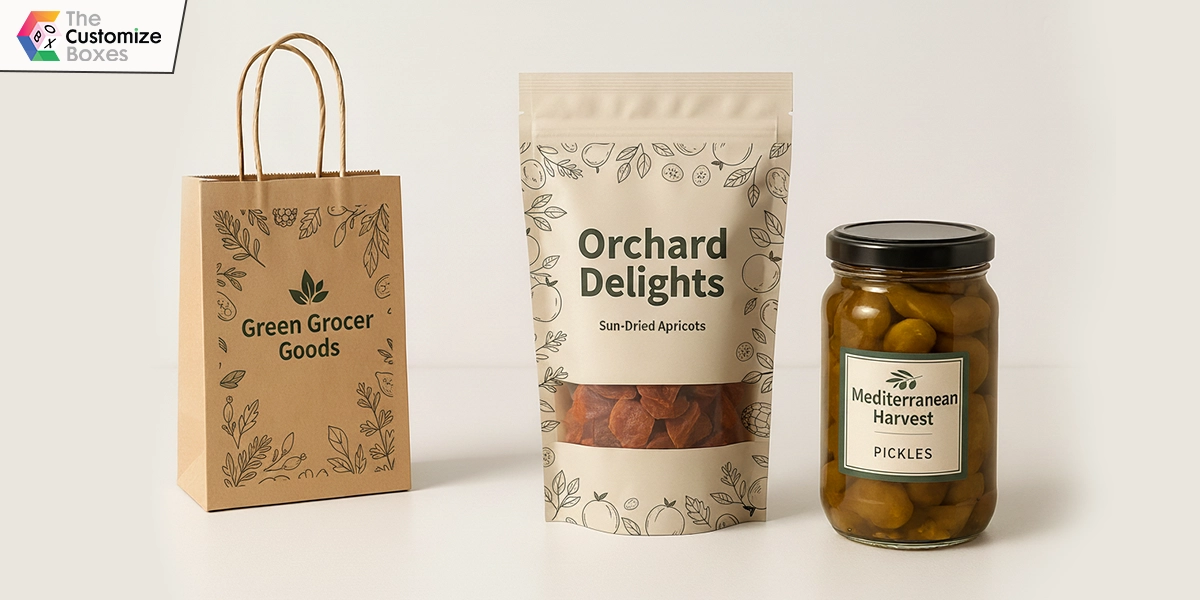
Since you understand the factors that can make or break your food packaging game, it's time to explore some perks of tailored packaging solutions as some are:
Enhances Brand Recognition
No one will remember your brands, especially when they’re bombarded with hundreds of advertisements within a day. It’s getting normal in the hyper-competitive markets, and to stand out as a food brand, you have to be distinctive. Custom packaging is your key to success to portray your products the right way and stamp your brand’s identity in the user’s mind.
Better Growth
More eyes on your product means more sales. Once people remember what’s in their minds, they’ll surely prefer your brand. Sooner or later, they’ll be habitual in purchasing from the same brand and will not have to juggle comparing the other available options individually. All of this is possible with custom food packaging and not way around.
Unique Features
Printing and finishes are a great way to enhance the aesthetics of the packaging. But there’s something more beyond it. Yes! Practical add-ons. These allow you to make the food packaging an upgraded version. For instance, a degassing valve in a coffee mylar pouch extracts the harmful air buildup inside and ensures that the beans remain fresh and rich.
Stand Out from Start
The impression that can be delivered with a custom food box isn’t possible with ready-made ones. Materials, printing, finishes, and other aspects all combine to make a unique experience for the buyers and consumers. At first glance, they connect with your brand's theme and take it as a personalized product made only for them.
Achieve Sustainability Goals
On stock packaging options for food, you’re bound to rely on a ready-made solution, but that’s not the case with the custom packaging. From inserts to whole boxes, you have the liberty to opt for eco-friendly materials and ensure your brand stands out among competitors. Also, it allows you to promote your efforts towards a cleaner, greener planet.
Think Outside the Food
Last but not least, food packaging selection is a critical aspect that you should cater to accordingly. If you don’t consider it the right way, no worries. Getting consultation or assistance from an expert is recommended. At The Customize Boxes, we have a dedicated support team that first understands the food-related concerns and then finds the best solution that fits well. You can contact us by writing to us at sales@thecustomizeboxes.com and get expert opinion within a minimal response time.
Frequently asked questions
How 5 P's can be achieved for food packaging?
The 5 P’s, which are promote, position, present, provide, and protect — all of these can be easily achieved for food with custom packaging options. You can ensure that these aspects are aligned with your brand vision and act as an impactful & free marketing tool.
Which material is best for food packaging?
The food material depends upon the content type, moisture levels, and packaging needs. For some products, kraft is the ideal material, while for others, cardboard, glass, or even tin works well.
What style of box is ideal for food packaging?
The style of the box varies depending on packaging needs, as the kraft bags and tuck-end style boxes are ideal for eateries. Whereas, for oily content food products, such as pickles, glass jars with an airtight lid work well.